Last updated: August 13, 2026
Shopping for the best hydroponic nutrients is confusing in a very specific way: almost everything on the shelf works, and almost nothing explains which situation it was designed for. A three bottle liquid system and a bag of powder can grow the same head of lettuce. What differs is the effort, the cost per gallon, and how much control you get when a crop moves from leaves to fruit.
So this guide sorts the category by how you actually grow. Powder or liquid, one part or three, passive jar or recirculating reservoir, leafy greens or tomatoes. The picks below are the formulas that keep showing up in grower feedback across all of those situations, and each is a product you can still buy easily today rather than a boutique blend.
This article contains affiliate links. If you buy through them, we may earn a commission at no extra cost to you. Learn more.
Quick Answer
Which hydroponic nutrients should you buy?
- For flexibility across leafy greens and fruiting crops, a three part liquid system like the General Hydroponics Flora Series is the most widely used answer.
- For the lowest cost per gallon and long shelf life, the MasterBlend style dry kit with calcium nitrate and Epsom salt is hard to beat, especially for lettuce and herbs.
- If you want one container and no ratios to remember, a complete one part formula such as MaxiGro handles greens with a single scoop per gallon.
What Separates a Good Hydroponic Nutrient From a Frustrating One
Five things decide whether a nutrient suits you, and brand reputation is not one of them. Work down this list and the shortlist writes itself, because most disappointments trace back to a mismatch between the product’s design and the way you actually grow.
| What to check | Why it matters | What to look for |
|---|---|---|
| Complete formula | Without soil, the solution is the plant’s entire mineral diet | Nitrogen, phosphorus, potassium plus calcium, magnesium, sulfur and micronutrients across the parts |
| Number of parts | More parts means more control and more measuring | One part for greens, two or three when fruiting crops are in the plan |
| Powder or liquid | Sets cost per gallon and effort per mix | Powder for volume and storage, liquid for small containers and speed |
| Solubility and residue | Undissolved material clogs pumps, emitters, and NFT channels | Formulas sold specifically for hydroponics, not repurposed garden feed |
| Dosing at your volume | Many home setups mix a gallon or less at a time | Clear per gallon rates, and measures small enough to be accurate |
Notice what is missing: boosters, enzymes, and bloom stimulants. They are the most heavily marketed part of the category and the least necessary for herbs, greens, and household vegetables. If the chemistry behind these labels is new to you, start with our hydroponic nutrients explainer.
One Part, Two Part, or Three Part?
The number of parts exists for a chemical reason: calcium reacts with sulfates and phosphates in concentrate, so multi-part products keep them apart until dilution. Practically, more parts means you can change the ratio as a crop matures, and fewer parts means you cannot get it wrong.
One part formulas are the right call for lettuce, herbs, and anyone starting out. Three part systems earn their keep the moment tomatoes, peppers, or strawberries enter the plan, because flowering plants want proportionally more potassium and less nitrogen than they did as seedlings. Two part A and B systems sit in between and dominate commercial recirculating growing.
Our Top Picks at a Glance
How we chose: we compared widely available hydroponic nutrients on completeness, solubility, how well the dosing scales down to home volumes, flexibility across leafy and fruiting crops, availability, and the themes that repeat across grower feedback. Our assessment rests on manufacturer information and that feedback rather than any hands on trial of our own.
🏆 Best Overall
The long-running three bottle liquid system that most home growers meet first. Measuring is done with a cap or syringe, the ratio between the three bottles shifts as plants move from leaves to fruit, and it works in every system from a mason jar to a recirculating reservoir. Our guide to using the Flora Series covers the ratios in plain terms.

💰 Best Value
The dry three component kit that passive and DIY growers standardized on: a 4-18-38 base combined with calcium nitrate and magnesium sulfate. It mixes hundreds of gallons from a modest bag, stores for years, and is exceptionally consistent for lettuce and greens. See our MasterBlend mixing guide for the ratios and the order of operations.

🥄 Best for Beginners
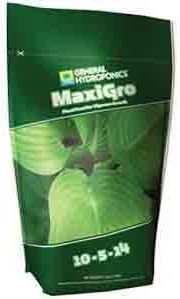
A complete dry nutrient in a single container: one scoop per gallon, stir, done. There are no ratios to balance and no second bottle to forget, and it still covers calcium and magnesium. The natural pick for a windowsill jar, a first bucket, or anyone who wants the nutrient decision to stop being a decision.
Matching the Nutrient to Your System
Your growing method narrows the field faster than any product comparison. Passive containers need stability above all, recirculating systems need clean solubility, and countertop gardens need doses small enough to measure accurately.
| System | What matters most | Which pick fits |
|---|---|---|
| Kratky and passive jars | One mix has to last the whole crop | MasterBlend kit or a one part powder, mixed at label strength or under |
| Deep water culture | Easy adjustment, no residue in an aerated reservoir | Flora Series liquids, or powder mixed by the gallon |
| NFT and recirculating | Nothing that can settle out and clog channels | Any fully soluble mineral formula, never organic brews |
| Coco coir and media | Coco binds calcium, so extra is often needed | A complete formula plus a calcium and magnesium supplement |
| Countertop smart gardens | Small, precise doses on a schedule | The maker’s liquid, or a liquid formula measured with a syringe |
If your setup is a Kratky jar or tote specifically, the stability requirement is strict enough that we treat it separately in our guide to the best nutrients for the Kratky method. And for lettuce as a crop rather than a system, see our picks for hydroponic lettuce nutrients.
Three More Picks for Specific Situations
The three above cover most home growers. These fill the gaps that show up once you grow something bigger than lettuce, or once your water source starts causing problems.
🍅 Best for Fruiting Crops in Media
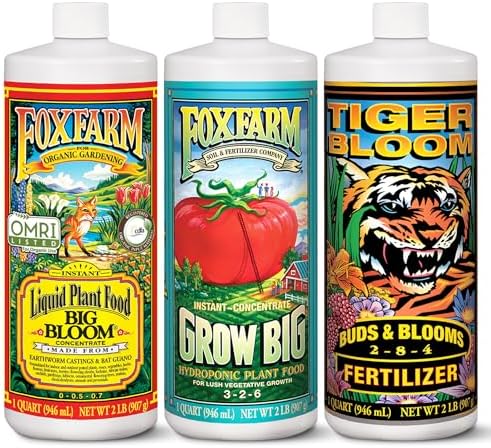
A liquid feeding trio aimed at vegetable gardeners, with a grow formula for leafy stages and bloom formulas for flowering and fruit. It suits coco, clay pebbles, and container growing where a plant is producing tomatoes or peppers rather than salad, and the labels are refreshingly plain about what goes where.
🧱 For Coco Coir and Filtered Water
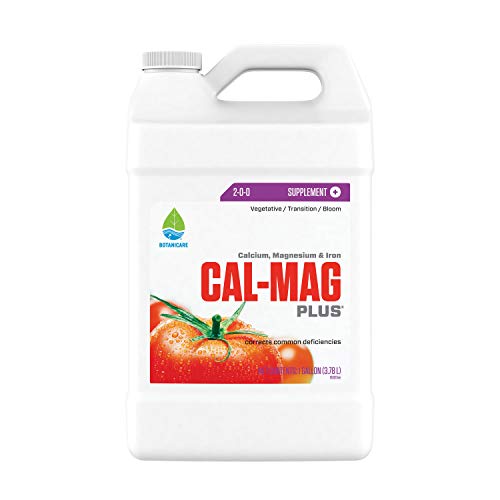
A calcium and magnesium supplement, the one add-on that is genuinely necessary rather than optional. Coco coir binds calcium, and reverse osmosis or very soft tap water starts with almost none, so both situations show up as deficiency symptoms that no amount of base nutrient fixes.
⚖️ For Getting pH Into Range
A simple up and down adjustment pair. Tap water varies enormously by region, and a few drops at mixing time is usually all it takes to land in the window where nutrients stay available. Pair it with a meter rather than guessing; our pH meter guide compares the reliable pocket options.

Strength and pH: Where Results Are Actually Won
The best nutrient mixed badly performs worse than a basic one mixed well. Two settings matter: concentration, measured as EC, and pH. As commonly used ranges, seedlings sit around 0.4 to 0.8 EC, lettuce and herbs around 1.0 to 1.4, and established fruiting crops around 2.0 to 3.0.
Target a pH somewhere around 5.5 to 6.5 for most crops, since that is where the widest range of elements stays available to roots. Check after mixing rather than before, because adding nutrients changes the reading. Full instructions, including why calcium nitrate is always dissolved separately, are in our guide on how to mix hydroponic nutrients, and per crop targets live in the hydroponic nutrient chart.
A practical routine
Mix into a full volume of water, one part at a time, stirring between additions. Check pH, adjust in small increments, and label the container with the date. Refresh recirculating reservoirs fully every one to two weeks rather than topping up indefinitely, because plants take water and minerals at different rates and the ratio drifts.
Common Mistakes to Avoid
- Using garden or houseplant fertilizer. It typically lacks usable calcium and micronutrients and can leave residue in pumps and channels.
- Mixing parts together in concentrate. Calcium reacts with sulfates and phosphates. Add one part at a time to the full water volume.
- Feeding seedlings at full strength. Young plants do better at a fraction of the label rate, then step up as they grow.
- Buying additives before mastering the base. Light, strength, pH, and temperature explain nearly every disappointing crop. Boosters do not.
- Choosing organic for a still reservoir. Unaerated organic solutions commonly ferment and cloud; see our organic hydroponic nutrients guide for where they do work.
- Never changing the solution. Topping up forever skews ratios. A full change on a schedule prevents most mystery deficiencies.
Where to Go From Here
If you already know what you are growing, the crop guides get more specific than any general roundup can. Lettuce is the easiest place to start, and the feeding routine is covered in our hydroponic lettuce nutrient guide. For dosing by crop across the board, see nutrients for hydroponic systems.
And if you are still deciding between growing methods, that decision comes first: our deep water culture guide and the Kratky method guide cover the two setups most home growers begin with, each with the feeding approach that suits it.
Frequently Asked Questions
Do I need separate grow and bloom nutrients? Not for leafy greens and herbs, which stay in a vegetative stage the whole time. Once tomatoes, peppers, or strawberries are involved, a system that lets you shift the ratio toward potassium is genuinely useful.
Is powder or liquid better for hydroponics? Powder is cheaper per mixed gallon and stores for years; liquid is easier to measure accurately at small volumes. Both grow the same plants, so match the format to how much you mix at a time.
How much nutrient do I use per gallon? Follow the label as the starting point, and lean under it for seedlings and leafy greens. In EC terms, most greens do well around 1.0 to 1.4, with fruiting crops higher; see our EC and PPM guide.
Can I mix different brands together? It is possible but rarely wise, since you lose track of what the combined formula actually contains. A complete system from one maker, plus a calcium and magnesium supplement if needed, covers almost every situation.
Do hydroponic nutrients expire? Dry powders keep for years if sealed and dry. Liquids last a long time too but can settle or separate, and freezing damages some formulas, so store them indoors and shake before measuring.
What about nutrients for a countertop smart garden? The maker’s liquid is designed for that dosing schedule, but a general hydroponic liquid measured with a syringe works too. Keep doses small and rinse the reservoir at each refill.
The Bottom Line
Pick the format that matches how you grow, not the flashiest label. A three part liquid system gives the most flexibility across greens and fruiting crops, a dry MasterBlend style kit gives the best economics for lettuce by the tote, and a one part powder removes every decision for a first grow. Then spend your attention on strength and pH, because that is where the actual results are won.