Last updated: August 13, 2026
Looking for organic hydroponic nutrients puts you at an odd intersection. Organic growing traditionally means feeding the soil and letting microbes do the conversion, while hydroponics means delivering plant-available minerals directly in water. Products that bridge the two exist and work, but they behave differently from mineral formulas, and the difference shows up in your reservoir within days.
This guide takes the honest route. It explains what organic actually means on a hydroponic label, which systems these products suit and which they will quietly ruin, and which formulas growers keep going back to. If you are growing herbs and vegetables and want to know exactly what goes into the water, there is a workable path here. It just asks more of you than a bag of powder does.
This article contains affiliate links. If you buy through them, we may earn a commission at no extra cost to you. Learn more.
Quick Answer
Which organic nutrients work in a hydroponic system?
- Liquid organic feeding programs built for containers and hydroponics, such as the General Organics BioThrive pair, are the most practical starting point.
- They suit media based setups, aerated deep water culture, and hand-watered containers far better than still Kratky jars or narrow NFT channels, where they cloud and clog.
- Expect more maintenance: shorter reservoir intervals, more pH drift, some odor, and a real benefit from adding beneficial microbes.
Can Hydroponics Be Organic at All?
Partly, and the honest answer depends on the definition. Organic certification rules vary by country and have long been debated for soilless growing, so a product being labeled organic tells you about its ingredients rather than about your finished crop’s status. What is certain is that the inputs come from plant, animal, and mineral sources rather than synthetic salts.
What changes in practice is availability. Mineral nutrients arrive ready for roots to absorb; organic inputs largely need microbial breakdown first. That single fact drives every trade-off in this category.
| Aspect | Mineral nutrients | Organic nutrients |
|---|---|---|
| Availability to roots | Immediate, fully dissolved | Partly immediate, partly released by microbial activity |
| Reservoir behavior | Clear, stable for weeks | Can cloud, settle, and develop odor within days |
| pH stability | Fairly steady once set | Drifts more as biological activity continues |
| Best systems | Any, including passive and NFT | Media based, aerated DWC, hand-watered containers |
| Equipment risk | Low, if fully dissolved | Sediment and biofilm can clog pumps and emitters |
| Maintenance | Change every one to two weeks | Shorter intervals, more cleaning, more observation |
None of this means organic is worse. It means it is a different job. You are running a small biological system rather than a chemistry set, and you control exactly what goes into the water. The background on the mineral side is in our hydroponic nutrients explainer.
Why Organics Behave Differently in Water
Organic inputs are food for microbes as much as for plants. Fish hydrolysate, kelp, molasses, and guano contain nutrients bound up in organic compounds, and bacteria and fungi release them over time. In soil that happens quietly in the root zone. In a warm reservoir it happens in front of you, complete with cloudiness and smell.
Those microbes also consume oxygen. In a still container that competition works against the roots, which is exactly why organic feeding and passive Kratky setups are a poor match. In an aerated system with a running air pump there is enough dissolved oxygen for both, which is the practical dividing line between organic setups that work and organic setups that turn into science experiments.
Our Top Picks at a Glance
How we chose: we compared widely available organic and organic-based products on how completely they feed a plant, how they behave in a reservoir rather than in soil, their suitability for pumps and emitters, ease of dosing at home volumes, and the themes that recur in grower feedback. We work from manufacturer information and that feedback rather than any hands on trial of our own.
🏆 Best Overall
A two bottle organic-based liquid program, one formula for leafy growth and one for flowering and fruit, from the General Hydroponics organics line. It is the closest thing in this category to a conventional grow and bloom system: familiar dosing, predictable ratios, and formulas designed for containers and soilless media rather than for garden beds.

🌿 Best Gentle All-Rounder
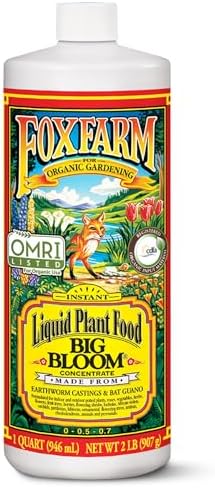
A mild liquid built around earthworm castings and other organic inputs, widely used as a companion feed rather than a sole diet. Growers reach for it because it is very hard to burn plants with and it pairs well with a stronger base, which makes it a sensible first organic bottle for herbs and greens.
🌊 Best Supplement
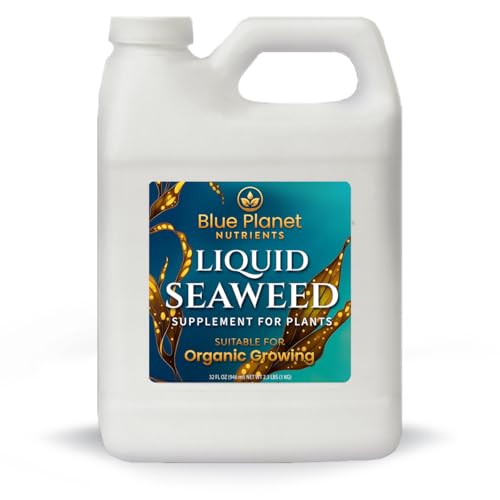
A liquid seaweed and kelp concentrate, the classic supporting player in organic growing. It is not a complete feed and should not be treated as one, but it adds trace elements and is commonly used alongside a base formula through transplanting and heat, when plants are under the most stress.
Which Systems Suit Organic Nutrients
Media based growing is the natural home for organics. Coco coir, clay pebbles, and similar media hold a moist, aerated surface where microbes can live, which is much closer to how organic feeding works in soil. Hand-watered containers with drainage are the simplest version of that idea.
Aerated deep water culture can work if you keep the reservoir cool, run the pump continuously, and change the solution more often than you would with minerals. Passive Kratky jars and NFT channels are where organics most often disappoint: the first has no aeration and the second has narrow film flow that sediment and biofilm are happy to block. Our DWC guide and NFT guide explain why those systems behave the way they do.
The media question
If you are moving toward media based organic growing, the medium matters as much as the bottle. Clay pebbles rinse and reuse well and keep plenty of air around roots, which supports the microbial side; our guide to clay pebbles in hydroponics covers preparation and reuse. Coco based blends hold more moisture, which suits hand watering but asks for extra calcium.
Two More Picks: Microbes and Measurement
Organic feeding is a biological process, so the two things worth adding are the biology itself and a way to see what is happening.
🦠 For the Biological Half
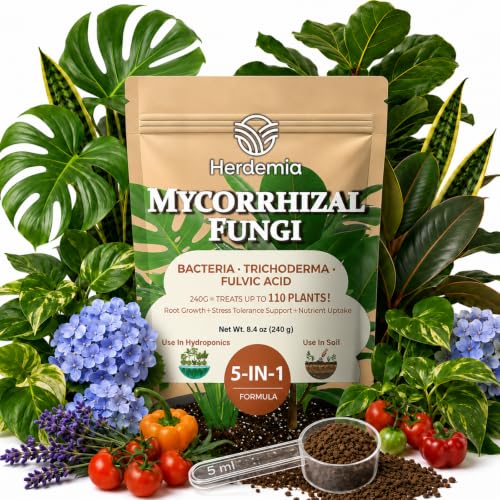
A beneficial bacteria and fungi root inoculant. Organic inputs need microbial activity to become available, and growers commonly add a product like this at transplant and after each reservoir change to keep that population going. It is the one supplement in organic hydroponics that is doing a job minerals cannot do themselves.
📏 For Watching the Drift
A pocket pH meter, which matters more with organics than with minerals because biological activity keeps changing the solution. Testing at mixing time and again a day or two later tells you whether your reservoir is stable or heading somewhere. Our pH meter guide compares the reliable options.

Running an Organic Reservoir Without the Smell
Odor and cloudiness are the two complaints that end most organic hydroponic experiments, and both come from the same source: biological activity in warm, oxygen-poor water. The fixes are unglamorous and they work.
Keep the solution cool and shaded, run aeration continuously, mix smaller batches, and change the reservoir more often than the label suggests, since an organic solution ages rather than simply depleting. Rinse and scrub the container at every change rather than topping up onto old residue, and keep the reservoir covered so light never reaches it. If roots start looking brown and slimy, treat it as the oxygen problem it usually is; our root rot guide covers the recovery routine.
A practical hygiene note
You are growing food, so ordinary kitchen sense applies: wash hands before working in the reservoir, keep pets and outdoor tools out of it, rinse harvested produce, and store bottles closed and labeled away from food. Nothing dramatic, just the same habits you would use with any kitchen project.
Common Mistakes to Avoid
- Using organics in a still Kratky container. No aeration plus biological activity is the reliable recipe for a cloudy, sour jar.
- Running them through NFT channels or fine emitters. Sediment and biofilm build up where flow is thin, and a blocked channel dries roots quickly.
- Treating a supplement as a complete feed. Kelp and mild castings-based liquids support a base formula; they do not replace one.
- Stretching reservoir intervals. Organic solutions age. Shorter cycles and a scrubbed container prevent nearly every odor complaint.
- Assuming organic means gentler on plants. Fish and guano based inputs can still overdo it. Start under the label rate.
- Ignoring pH drift. Biological activity keeps moving the number. Check more often than you would with minerals.
Where to Go From Here
If this is starting to sound like more work than you signed up for, that is a fair conclusion and a common one. Mineral formulas are simpler, cheaper per gallon, and far more predictable in water, and our roundup of the best hydroponic nutrients covers the straightforward options.
If you want to go ahead, get the routine right before scaling up: mix small, aerate always, and change often. Our guide on how to mix hydroponic nutrients covers the order of operations, and how often to change hydroponic water sets the schedule you will want to shorten for organics.
Frequently Asked Questions
Can hydroponics be certified organic? Certification rules differ by country and have been debated for soilless growing, so an organic label on a bottle describes its ingredients rather than guaranteeing anything about your harvest. For home growing the practical question is simply which inputs you want to use.
Do organic nutrients work in deep water culture? They can, with continuous aeration, a cool reservoir, and more frequent changes. In still or passive systems they commonly cloud and turn sour, so mineral formulas are the safer choice there.
Why does my organic reservoir smell? Microbial activity in warm, oxygen-poor water. More aeration, cooler temperatures, smaller batches, and shorter change intervals address it; a scrubbed container at every change prevents the buildup that makes it worse.
Are organic nutrients better for the plants? Plants take up the same elements either way. Organic inputs release them more slowly through microbial breakdown, which changes the maintenance and the way the reservoir behaves rather than what the plant ultimately absorbs.
Do I need to add beneficial microbes? With organics it is worth it, since those microbes do the conversion work. Growers commonly add an inoculant at transplant and after reservoir changes to keep the population established.
Can I make my own organic nutrient solution? Homemade teas and emulsions are possible but hard to keep balanced and clean in a reservoir, and they are the fastest route to clogged equipment. A commercial liquid program is the more reliable place to start.
The Bottom Line
Organic hydroponics works best where there is air and a surface for microbes to live on: media based containers, hand watering, and well aerated deep water culture. Use a liquid organic program as the base, add a microbial inoculant, keep batches small, cool, and frequently refreshed, and watch pH more closely than you would with minerals. In a still jar or a narrow NFT channel, choose a mineral formula instead and keep the organics for the media side of your setup.