Last updated: August 13, 2026
Choosing a first hydroponic garden kit is mostly about choosing how much of the work you want done for you. At one end sit the smart gardens, sealed appliances where a pump, light, and reminder system run the show. At the other end sit bucket and jar kits that hand you the same method in raw form, cheaper and more instructive, with you as the control system.
Both ends produce real food, and beginners succeed on both, so the right kit depends on whether you want herbs with minimal involvement or a hobby you can grow into. This guide walks the whole spectrum, appliance to bucket, and picks the standout kit at each stop, so you start at the level of involvement you will actually enjoy.
This article contains affiliate links. If you buy through them, we may earn a commission at no extra cost to you. Learn more.
Quick Answer
Which hydroponic garden kit should a beginner buy?
- For the smoothest start, a smart garden appliance: the AeroGarden Harvest manages light, water circulation, and feeding reminders for you.
- For the most garden per dollar, the iDOO 12 pod system, which also lets you plant any seeds you like.
- For learning the actual craft, a 5 gallon DWC bucket kit with an air pump grows serious lettuce and teaches you every part of the method.
The Kit Spectrum: Appliance to Bucket
Every hydroponic kit on the market sits somewhere on a line from fully automated to fully manual. Find your spot on this line first, and the product choice becomes easy.
| Kit type | How it works | Effort | Best for |
|---|---|---|---|
| Smart garden | Sealed pod appliance with pump, LED, and reminders | Minimal, guided | Herbs and greens on a counter, first timers |
| Passive smart garden | Wicking pods, no pump, built in light | Nearly zero | Silent rooms, gift buyers, plant killers |
| DWC bucket kit | Roots hang in aerated nutrient water in a lidded bucket | Moderate, hands-on | Big lettuce, herbs at scale, learning the method |
| Kratky jars | Passive water culture, no pump, no power at all | Low, but attentive | The cheapest possible experiment |
| Multi-site systems | NFT channels or multi-bucket setups, usually with a separate light | Highest | Committed growers scaling up |
Two notes before the picks. Smart gardens include their own light, while bucket and jar kits usually do not, so budget for a grow light if your spot lacks strong sun. And every powered option mixes water with electricity, so plug pumps and lights into a GFCI protected outlet as a matter of habit.
What Beginners Actually Need in a Kit
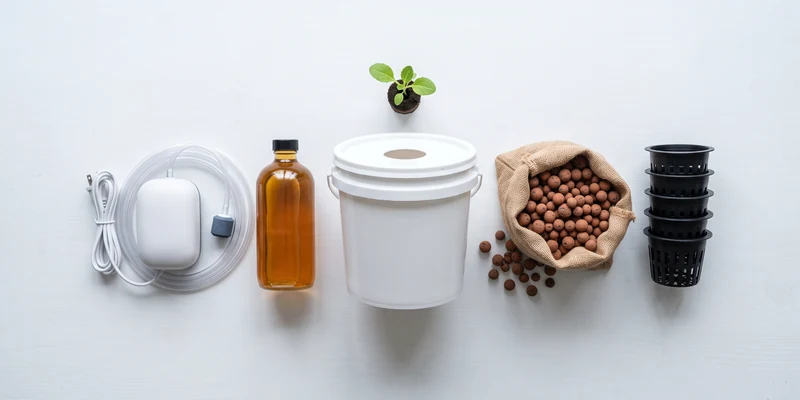
A first kit succeeds when it removes the failure points that end most beginner attempts: not enough light, roots without oxygen, and feeding guesswork. Smart gardens solve all three by design, which is why their success rate with first timers is so high. Bucket kits solve them with parts, an air pump for oxygen, net pots and clay pebbles to hold the plant, and a nutrient bottle you dose yourself, which is more work and more education in equal measure.
What you do not need at the start is scale. A six pod counter garden or a single bucket teaches everything a room full of equipment teaches, at a fraction of the cost and cleanup. If the hobby sticks, our deep water culture guide shows how the same principles scale from one bucket to many, and dedicated DWC system kits cover the next step up.
Our Top Picks at a Glance
How we chose: we compared widely available kits across the automation spectrum on completeness, beginner friendliness, output, and running costs, leaning on manufacturer specifications and the themes that repeat across owner reviews rather than any hands on trial of our own. Each major pick links to a full review or build guide.
🏆 Best Overall for Beginners
A six pod pump driven garden that handles light schedules, water circulation, and feeding reminders, with guided pod kits for a first planting that simply works. The brand stopped operations on January 1, 2025 and relaunched in spring 2025; our AeroGarden review covers that history and the current lineup.

💰 Best Budget Pick
Twelve planting sites, an adjustable LED, and an open sponge system that accepts any seed packet, at the lowest serious price in the category. More hands-on than the big brands, which some beginners end up preferring; see our iDOO review.

🪣 Best for Learning the Craft
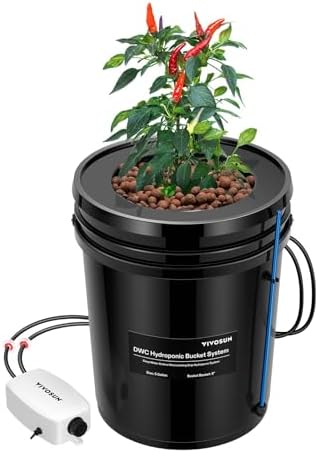
A 5 gallon DWC bucket kit with an air pump, air stone, net pot lid, and clay pebbles is real hydroponics with nothing hidden. It grows impressive lettuce and herbs, and our DWC bucket setup guide walks the whole build step by step.
Matching the Kit to the Grower
The counter appliance route suits people who want results with a light touch: fresh herbs, some lettuce, everything visible and tidy, nothing to assemble. Within that route, choose pump driven for speed and capacity, or passive for silence. The bucket route suits the curious: you will handle nutrients, check water levels, and learn why roots want oxygen, and the reward is bigger plants, open ended crops, and skills that scale. Neither route is wrong, but people who pick against their temperament quit.
Crop plans matter too. Herbs and leafy greens thrive in every kit here. Fruiting crops, tomatoes and peppers, want more light and headroom than compact counter gardens offer, which points either to the taller smart garden models or to a bucket under a proper grow light. Feeding is simpler than forums make it sound: a balanced formula, dosed to the label, covers a beginner’s first year, and our hydroponic nutrients guide sorts the bottles when you get there.
Two more picks for specific starts
🤫 Best Hands-Off Start
Click & Grow’s Smart Garden 3 removes even the pump: silent passive wicking, pre seeded Smart Soil pods, and nothing to manage but a water tank. The gentlest possible on ramp; our Click and Grow review covers the slower growth it trades for that ease.

🫙 Best Nearly Free Experiment
A Kratky mason jar kit, wide mouth jars, net pots, clay pebbles, and a small nutrient bottle, grows lettuce with no pump and no electricity at all. The cheapest way to find out if the hobby is for you; the method is explained in our Kratky method guide.

Common Mistakes to Avoid
- Buying for the fantasy harvest. Start with herbs and lettuce, the crops every kit grows well, before chasing tomatoes.
- Forgetting the light on DIY kits. Bucket and jar kits rarely include one, and a dim corner undoes everything else. Smart gardens sidestep this entirely.
- Overbuying at the start. One bucket or six pods teaches everything; scale after your first successful harvest, not before.
- Freestyling the nutrients. Follow the label dosing. Beginner problems come from too much feed far more often than too little.
- Ignoring the running costs. Pod ecosystems cost money every planting; open seed and DIY kits cost attention. Pick the cost you would rather pay.
Where to Go From Here
If the counter appliance route sounds right, the full smart garden field is ranked in our best indoor hydroponic garden hub. If the bucket route calls, start with the Kratky mason jar build for a weekend experiment, then graduate to the powered bucket when you want speed. Either way, plant lettuce first: it is fast, forgiving, and the crop most likely to convert a kit into a habit.
Frequently Asked Questions
What is the easiest hydroponic kit for a beginner? A smart garden appliance, since light, circulation, and reminders are automated. Passive models like Click & Grow are easier still, at the cost of slower growth.
Do hydroponic kits come with everything you need? Smart gardens do, including the light. Bucket and jar kits usually include the growing hardware but not a grow light, so check the box contents against your spot.
What can you grow in a beginner hydroponic kit? Lettuce, herbs, and leafy greens are the reliable first crops in every kit type. Fruiting crops like tomatoes need taller lights and more capacity.
Is DWC or a smart garden better for beginners? Smart gardens have the higher first try success rate; DWC buckets teach more and grow bigger plants for less money. It depends on whether you want a result or a hobby.
How much does it cost to run a hydroponic kit? Ongoing costs are seeds or pods, nutrients, and modest electricity for the light and pump. Open seed systems keep those recurring costs lowest.
The Bottom Line
Pick your spot on the effort line first: the AeroGarden Harvest if you want the method managed for you, the iDOO if you want maximum garden per dollar with your own seeds, and a 5 gallon DWC bucket kit if you want to learn hydroponics properly. Start small, plant lettuce and herbs, and let the first harvest decide how far up the spectrum you climb.