Last updated: August 13, 2026
Lettuce is the crop that made indoor hydroponics popular, and it is also the crop that makes nutrient shopping confusing. Walk into the fertilizer aisle and you will find bottles labeled for bloom, for roots, for stages that lettuce simply does not have. A good hydroponic lettuce nutrient solution is the opposite of that: one complete mineral formula, mixed on the weak side, held at a sensible pH, and left alone.
This guide covers what lettuce actually needs from a nutrient, why leafy greens are easier to feed than almost anything else, and which widely available products growers keep refilling. It also covers the two failure modes worth planning for, tip burn and a drifting reservoir, because both come down to the solution rather than the seed.
This article contains affiliate links. If you buy through them, we may earn a commission at no extra cost to you. Learn more.
Quick Answer
What are the best nutrients for hydroponic lettuce?
- A complete dry formula is the standard choice: the MasterBlend 4-18-38 kit with calcium nitrate and Epsom salt mixes cheaply by the gallon and suits lettuce especially well.
- If you want one container and one scoop, a single-part dry nutrient like General Hydroponics MaxiGro covers everything lettuce needs without a feeding schedule.
- Whatever you pick, mix on the lean side, typically around 0.8 to 1.2 EC, and hold pH somewhere around 5.5 to 6.5.
What Lettuce Actually Asks For
Lettuce is a fast, leafy, non-flowering crop, which narrows the requirements to five things. Check a label against this list and you can ignore most of the marketing on the front.
| Requirement | Why lettuce needs it | What to look for |
|---|---|---|
| Complete mineral profile | The solution is the only mineral source the roots ever see | Nitrogen, phosphorus, potassium plus calcium, magnesium, sulfur, and micronutrients listed on the label |
| Nitrogen-forward balance | You are harvesting leaves, not fruit, so leaf growth is the whole job | A grow or vegetative formula, or a one-part designed for leafy crops |
| Available calcium | Tip burn on inner leaves is the classic lettuce calcium problem | Calcium nitrate in the kit, or a formula that clearly includes calcium |
| Full solubility | Residue settles out and never reaches the roots | Products sold for hydroponics, not granular garden fertilizer |
| Low working strength | Lettuce burns at concentrations that tomatoes enjoy | Clear per gallon rates so you can mix at or below the leafy green dose |
Notice what is missing: bloom boosters, ripening additives, and multi-stage schedules. Lettuce never flowers in your system, so anything aimed at fruit set is money spent on a stage you will never reach. The underlying chemistry is unpacked in our hydroponic nutrients explainer.
Dry Powder or Liquid: Which Suits Your Setup
Both grow excellent lettuce, so the decision is about volume and convenience rather than quality. Dry powders are far more economical per mixed gallon and store for years in a sealed container, which is why anyone running a tote, a bucket array, or a repeating salad cycle tends to end up with a bag of powder.
Liquids earn their place at small scale and in tight routines. Measuring a few milliliters into a jar beats weighing fractions of a gram on a kitchen scale, and there is no dissolving step to wait through. A practical middle path many growers use: mix a full gallon of solution from powder, then pour from that gallon as smaller containers need filling.
Where organic formulas fit
Organic hydroponic nutrients rely on microbial activity to release nutrients, and in a warm recirculating reservoir they can go cloudy, drop sediment, and clog emitters. They work best in media-based systems with good aeration and a grower who does not mind maintenance. For a first lettuce crop in a small system, mineral salts stay cleaner and behave predictably.
Our Top Picks for Hydroponic Lettuce
How we chose: we compared widely available hydroponic nutrients on completeness, calcium availability, solubility, ease of dosing at small volumes, and the patterns that repeat across grower feedback in leafy green communities, using manufacturer specifications rather than any trial of our own. None of these are exotic, which is exactly the point.
🏆 Best Overall
The three-part dry kit, a 4-18-38 base plus calcium nitrate plus Epsom salt, that leafy green growers standardized on. Complete, very economical by the gallon, and easy to mix at the half-strength rate lettuce prefers. Our MasterBlend mixing guide and review covers the ratios in detail.

🥄 Best One-Part Formula
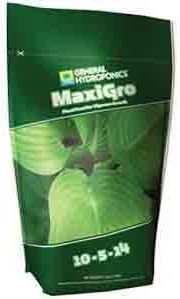
A complete dry nutrient in a single container: one scoop per gallon, stir, done. It covers calcium and magnesium without a second bag, which makes it the low-friction option for windowsill jars, small totes, and first-time growers.
🧪 Best Liquid System
The long-running three bottle system. Easier to measure than powder at jar scale, and flexible if you later add crops that do flower. For lettuce you lean heavily on the grow bottle; see our guide to using the Flora Series for leafy green ratios.

How Strong, and How Often
Lettuce is a light feeder, and most beginner problems come from generosity rather than neglect. A common target is roughly 0.8 to 1.2 EC for mature plants, which is around 400 to 600 ppm on the 500 scale, with seedlings started far weaker and worked up as true leaves appear.
In a recirculating system, plan on a full reservoir change every one to two weeks, topping up with plain water in between as the level drops. The reason is ratio drift: plants take up nitrogen and water quickly while other elements accumulate, so a reservoir that still reads the right total strength can be badly out of balance. Passive setups are the exception, since a Kratky container is sized to last the whole crop. Our hydroponic nutrient chart lists the targets for lettuce alongside other crops.
pH is half the job
A perfectly mixed solution at the wrong pH still starves the plant, because pH controls which nutrients roots can absorb. Lettuce does well somewhere around 5.5 to 6.5, and small reservoirs drift faster than large ones. Check after mixing, then a couple of times a week, and correct gently. The full routine is in our guide to pH for hydroponic lettuce.
Three More Options for Specific Setups
The picks above cover most home systems. These fill the remaining gaps: a countertop garden with pods, an insurance policy against tip burn, and the tools to keep pH where you put it.
🌱 Best for Countertop Smart Gardens
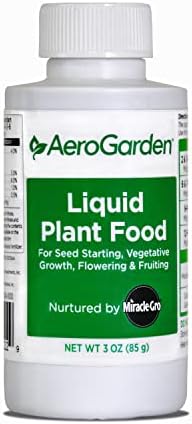
Sealed pod gardens are designed around their own liquid plant food and a dosing reminder on the display, so a bottle matched to the system is the simplest route. Note that AeroGarden paused operations at the start of 2025 and restarted in the spring of that year, so availability of official supplies has shifted; check current stock before committing to a pod platform.
🍃 For Tip Burn Insurance
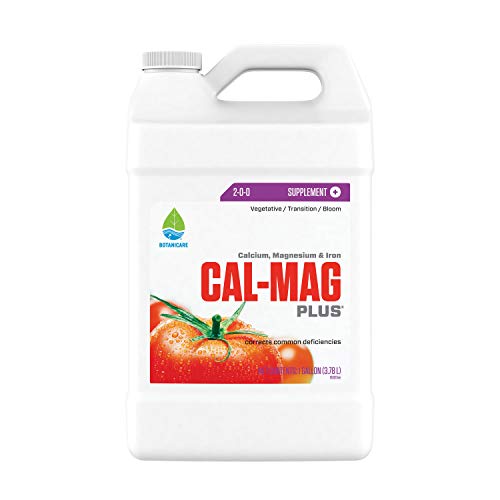
A calcium and magnesium supplement is worth having if you use reverse osmosis or very soft water, which carries almost no calcium to begin with. It is an add-on rather than a base nutrient, so use it alongside a complete formula, not instead of one.
⚖️ For Holding pH Steady
An up and down adjustment pair handles the tap water that lands outside the comfortable range. A few drops at mixing time is usually all a lettuce reservoir needs, and a pocket meter turns guesswork into a reading; our pH meter guide compares the reliable options.

Mixing a Lettuce Reservoir Properly
Order matters more than precision here. Start with your full volume of water, then add and fully dissolve one component at a time, keeping calcium nitrate away from the concentrated base mix, since combining them undiluted can produce an insoluble residue that never reaches the roots.
With liquids, add the micro bottle first and stir before the others go in, for the same chemical reason. Once everything is dissolved, check EC, then pH, and only then fill your system. Full step by step detail is in how to mix hydroponic nutrients. Because pumps and air stones sit beside an open reservoir, keep them on a GFCI outlet with a drip loop in the cord.
Common Mistakes to Avoid
- Feeding lettuce like a tomato. Strength that suits a fruiting crop scorches leaf margins on greens. Mix lean and stay lean.
- Using houseplant or lawn fertilizer. Most lack usable calcium and magnesium, and neither dissolves completely enough for a hydroponic reservoir.
- Combining calcium nitrate with the base concentrate. Dissolve dry parts separately into the full water volume, never together in a concentrated slurry.
- Topping up with nutrient solution instead of water. Evaporation and transpiration remove water, not minerals, so nutrient top-ups steadily push the reservoir stronger.
- Buying a bloom booster. Lettuce is harvested long before flowering. When it does bolt, that is a signal to harvest, not to feed.
Where to Go From Here
Nutrient choice pairs with system choice, and lettuce is forgiving in almost any of them. If you are still deciding between a passive container, a bucket, and a channel setup, our guide to the best hydroponic system for lettuce works through the trade-offs, including how reservoir size affects how often you mix.
And if the growing side is the open question rather than the feeding side, how to grow hydroponic lettuce at home covers the timeline from seed to harvest, including when to step strength up and when to leave the reservoir alone.
Frequently Asked Questions
What EC should hydroponic lettuce run at? Mature lettuce is commonly grown around 0.8 to 1.2 EC, roughly 400 to 600 ppm on the 500 scale. Seedlings start much weaker, often around 0.4 to 0.8, and step up as true leaves appear.
Can I use MasterBlend for lettuce? Yes, and it is one of the most common choices. Many growers mix the tomato formula at roughly half the fruiting rate for leafy greens, which lands in the lettuce range without any change to the ratio.
Why do my lettuce leaves get brown tips? Tip burn on inner leaves is usually a calcium availability problem rather than a shortage in the bottle. Very soft water, high strength solution, low airflow, and rapid growth all contribute.
How often should I change the lettuce nutrient solution? In recirculating systems, most growers do a full change every one to two weeks and top up with plain water in between. Passive Kratky containers are sized to last a full crop instead.
Do I need separate grow and bloom bottles? Not for lettuce. It is harvested before flowering, so a vegetative or one-part formula covers the whole cycle. Bloom products only matter if you also grow fruiting crops.
The Bottom Line
Lettuce wants one complete mineral formula mixed on the lean side, not a shelf of bottles. The MasterBlend kit gives the best economics for anyone growing regularly, MaxiGro is the simplest single container option, and the Flora Series suits liquid measuring at jar scale. Keep strength around 0.8 to 1.2 EC, pH around 5.5 to 6.5, and change the reservoir on schedule.