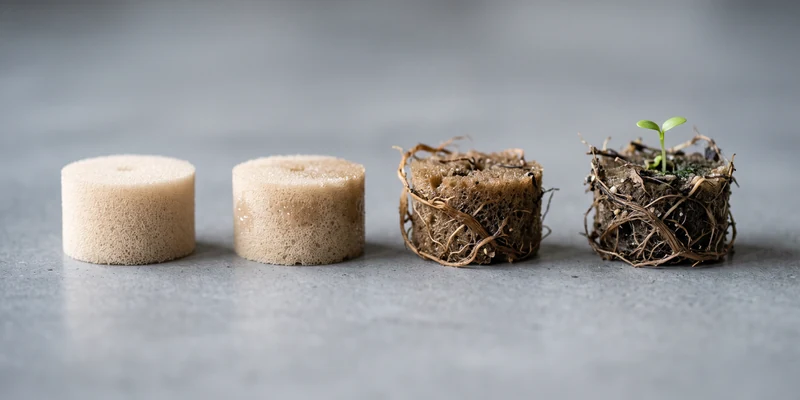
Last updated: August 15, 2026
Seed pods are the quiet subscription behind every smart garden. The device itself is a one-time purchase, but the pods keep coming, and that raises two very practical questions: how long do AeroGarden pods last once they are growing, and how long can a spare pod sit in a drawer before the seeds inside give up?
Those are two different clocks, and mixing them up causes most of the confusion around pod lifespan. This guide covers both: the productive life of a growing pod per crop type, the shelf life of unused pods, and the habits that stretch each one further.
This article contains affiliate links. If you buy through them, we may earn a commission at no extra cost to you. Learn more.
Quick Answer
How long do smart garden seed pods last?
- Growing pods: herbs typically produce for around 3 to 6 months, lettuce and greens for about 1 to 3 months, and compact tomatoes or peppers for roughly 4 to 9 months before they decline.
- Unused pods: seeds are usually most reliable within about a year of purchase, and germination rates gradually drop after that, though many pods still sprout at two years or more.
- Cool, dark, dry storage is what keeps spare pods viable; heat and humidity are what kill them early.
Pod Lifespan by Crop Type
A pod’s productive life is set almost entirely by the plant growing in it, not by the pod hardware. Herbs that regrow after cutting last the longest, single-harvest greens the shortest, and fruiting crops sit in between but demand the most from the system. The ranges below reflect what growers commonly report.
| Crop in the pod | First harvest | Typical productive life | Why it ends |
|---|---|---|---|
| Basil, mint, other soft herbs | Around 3 to 4 weeks | Roughly 3 to 6 months | Plants get woody, try to flower, and flavor fades |
| Parsley, cilantro, dill | Around 3 to 5 weeks | Roughly 2 to 4 months | Cilantro and dill bolt to seed relatively quickly |
| Lettuce and salad greens | Around 3 weeks | Roughly 1 to 3 months | Leaves turn bitter once the plant starts bolting |
| Compact tomatoes and peppers | Fruit around 2 to 3 months | Roughly 4 to 9 months | Production slows, roots crowd the reservoir |
| Flowers (petunias and similar) | Blooms around 4 to 8 weeks | Roughly 3 to 6 months | Blooming winds down as plants age |
These are ranges, not promises. Light hours, temperature, pruning habits, and how aggressively you harvest all shift the endpoint. A basil pod that gets trimmed weekly can outlive a neglected one by months.
The Two Clocks: Growing Life vs Shelf Life
A pod in the machine ages like a plant, while a pod in the drawer ages like a packet of seeds. The growing clock runs on plant biology, and the shelf clock runs on seed viability, which declines gradually with time, heat, and moisture. Keeping the two separate makes every lifespan question easier to answer.
Shelf life of unused pods
Brands generally recommend using pods within about a year for the most dependable germination, and that is a sensible planning number rather than an expiration cliff. Seeds do not die on a date; germination odds simply drift downward. Many growers report good results from pods sprouted at two years old, especially lettuce, basil, and other easy starters. Slow or patchy germination is the first symptom of an aging pod, not total failure.
How to store spare pods
Store pods the way you would store good seeds: cool, dark, and dry. A sealed container in a cupboard away from the stove works well, and the refrigerator in an airtight bag is even better for long holds. Avoid garages and windowsills, since temperature swings and humidity are harder on seeds than time itself.
When to Pull a Pod, Even If It Still Looks Alive
The right moment to retire a pod is when quality drops, not when the plant dies. Herbs signal the end by turning woody and pushing flower buds, greens by turning bitter, and fruiting crops by slowing down while their roots crowd everyone else’s water and light.
There is also a system-health argument for pulling tired pods. Old, dense root masses shed debris into the reservoir, feed algae, and make cleaning harder. If a declining pod is sharing a tank with young ones, the whole garden pays for keeping it too long. Our guide to AeroGarden algae and mold covers what a neglected tank looks like and how to reset it. A full reservoir clean between plantings, as described in our step-by-step AeroGarden cleaning guide, is the habit that keeps replacement pods germinating in a healthy environment.
Stretching More Life Out of Every Pod
Most pods end early because of harvesting habits, not defects. A few routines reliably extend productive life, and none of them take more than a minute or two a week.
- Harvest little and often. For herbs, trim up to about a third of the plant at a time and never strip it bare. Regular cutting delays flowering, and flowering is what ends an herb pod.
- Pinch flower buds the day you see them. Once basil or mint flowers in earnest, flavor declines fast. Pinching buds buys weeks.
- Keep the light schedule honest. Skimping on light hours weakens plants and shortens their run. Most systems default to a sensible schedule; leave it alone.
- Top up water and nutrients on schedule. Repeated dry-outs and starvation cycles age a pod faster than anything except disease.
- Cull weak seedlings early. If a pod sprouts multiple seedlings, thin to the strongest one so the pod’s whole lifespan feeds one healthy plant.
Official Pods, Third-Party Pods, and Refilling
Lifespan is not really a brand question. An official pod and a well-made compatible pod with the same basil seeds will live about as long, because the plant, not the plastic, sets the clock. The real differences are seed quality, grow sponge quality, and fit, which affect germination odds more than longevity.
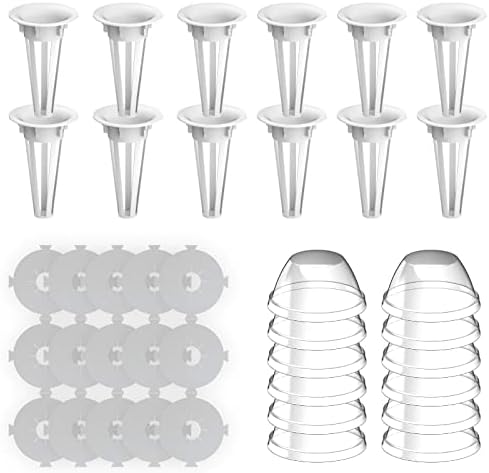
Many owners eventually refill pod baskets with their own seeds and replacement sponges, which resets the clock at very low cost. The trade-off is more variability in germination and timing. The full landscape of official versus compatible options is covered in our AeroGarden pods guide, and Click & Grow owners have their own version in the Click and Grow pods guide. If you are still deciding which ecosystem to buy into, pod price and availability deserve as much weight as the machine itself; our overview of the best indoor hydroponic gardens factors that in.
Two refills cover that reset: fresh grow sponges, plus spare baskets if yours are stained or cracked.

Common Mistakes to Avoid
- Treating the one-year guidance as an expiration date. Older pods usually still sprout, just less reliably. Plant two if you are unsure, and thin later.
- Keeping a bolted herb “because it is still green.” Past flowering, you are spending light, nutrients, and a pod slot on declining flavor.
- Storing spares above the stove or in a sunny spot. Heat and humidity, not months on a shelf, are what quietly kill seed viability.
- Blaming the pod for a dirty tank. Poor germination in a reservoir with algae or old roots is usually an environment problem, not a seed problem.
- Letting tomatoes run for a year. Long past their productive peak, big root systems choke pumps and neighbors. Restart with a fresh pod instead.
Frequently Asked Questions
How long do AeroGarden pods last before planting? The brand’s guidance is to plant within about a year for the best germination, but seeds decline gradually rather than expiring. Stored cool and dry, many pods still germinate well at two years or beyond.
How long does a basil pod keep producing? With regular trimming and prompt bud pinching, around 3 to 6 months of steady harvests is a common run. Left unpruned, it can flower and fade in half that time.
Can I reuse a seed pod after the plant dies? The plastic basket, yes. Clean it, add a fresh grow sponge and your own seeds, and it becomes a new pod. The used sponge itself is spent and should be composted or discarded with the old roots.
Why did my pod never sprout? The usual suspects are old seed, temperatures too cold for germination, or a sponge that dried out early. Most brands replace pods that fail to germinate, so it is worth contacting support before writing it off.
Do tomato pods really last six months or more? Compact tomato varieties commonly produce for around 4 to 9 months in a well-kept system. Expect to prune roots and support heavy branches in the later months to get there.
The Bottom Line
Think in two clocks: growing pods last as long as their plant stays productive, roughly 1 to 3 months for greens, 3 to 6 for herbs, and up to 9 for compact fruiting crops, while unused pods are most reliable within about a year and decline gently after that. Trim often, pinch flowers, keep the tank clean, and store spares cool and dry, and both clocks run long.