Last updated: August 15, 2026
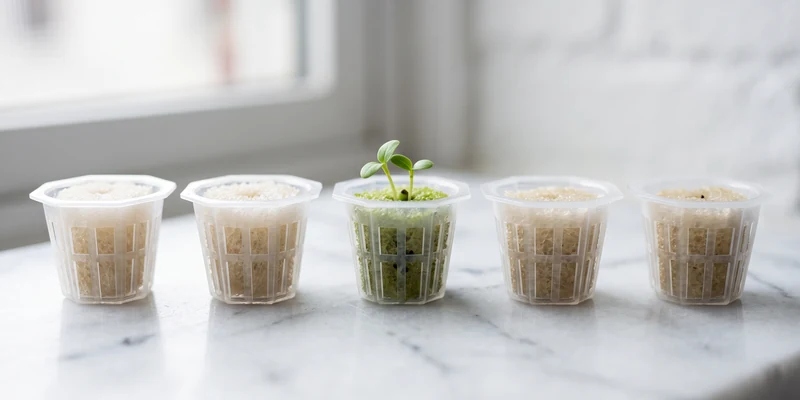
Click and Grow pods are the heart of the system: brown capsules of the company’s Smart Soil with seeds and nutrients already inside, so planting means dropping a pod in its holder and filling the tank. That convenience is why people buy a Smart Garden in the first place, and it is also the running cost that decides whether the garden stays in use or ends up in a closet.
This guide explains how the pods actually work, how long each one produces, which varieties are worth your slots, and what your options look like beyond the official catalog, from the brand’s own Grow Anything pods to third-party refills and reusing what you have.
This article contains affiliate links. If you buy through them, we may earn a commission at no extra cost to you. Learn more.
Quick Answer
What are Click and Grow pods and do you have alternatives?
- Each pod is a single-use capsule of Smart Soil with seeds and slow-release nutrients embedded; one pod covers one full plant cycle.
- The official catalog spans dozens of herbs, greens, fruiting plants, and flowers; herbs typically produce for around two to three months.
- Alternatives exist: Grow Anything pods for your own seeds, third-party refills, and replanting used pod baskets by hand.
Your Pod Options at a Glance
There are four realistic ways to keep a Click and Grow garden planted. Here is how they compare on convenience, choice, and cost, in one scan.
| Option | What it is | Strengths | Trade-offs |
|---|---|---|---|
| Official variety pods | Pre-seeded Smart Soil capsules from the Click & Grow catalog | Highest reliability, zero effort, wide catalog | The priciest route per plant; you grow what the catalog offers |
| Grow Anything pods | Official seedless Smart Soil pods for your own seeds | Any compact plant you like, same medium and fit | Germination is on you; results vary with seed choice |
| Third-party refills | Compatible sponge or soil capsules from other sellers | Cheapest ongoing option, widely available online | Fit and nutrient content vary; no embedded slow-release feeding |
| Reusing pod baskets | Cleaning used baskets and replanting with your own medium and seeds | Nearly free, uses what you already own | The most fiddly; you manage nutrients yourself |
How Smart Soil Pods Actually Work
A Click and Grow pod is not hydroponics in the classic sense: it is a capsule of a spongy, engineered growth medium the company calls Smart Soil, with seeds set at the right depth and nutrients distributed through the material. The garden’s wick system draws water up from the tank, the medium balances moisture and air around the roots, and the embedded nutrients release gradually as the plant grows.
That design is why the system needs no pump, no nutrient bottles, and no measuring. It is also why pods are single-use: once a plant has run its course, the nutrients in that capsule are largely spent, and the root mass has claimed the medium. You compost the spent pod, keep the plastic basket if you like, and start fresh.
How Long Pods Last and What They Produce
Plan around growth cycles, not calendar subscriptions. Leafy herbs like basil, mint, and cilantro typically produce for around two to three months with regular trimming before they decline. Lettuces and greens are usually harvested fully in about four to eight weeks. Fruiting pods, cherry tomatoes and chili peppers, run the longest, often producing for several months after an initial couple of months to first fruit.
Unused pods also keep. Stored dry, sealed, and out of sunlight, pods generally remain viable for a year or more, so buying multi-packs of favorites is a reasonable habit. If seeds fail to sprout, Click & Grow has historically offered replacements for failed pods; check the current policy before counting on it. For how this compares across brands, see our guide on how long smart garden seed pods last.
Which varieties earn their slots
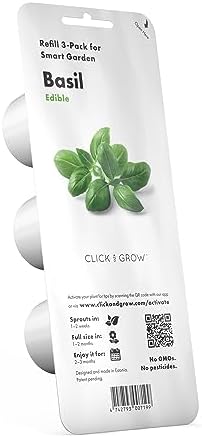
Reviews consistently mention the herb pods, especially basil, as the reliable core of the catalog, with lettuce mixes close behind. Fruiting pods work but occupy slots for months, which feels expensive in a three-pod garden and reasonable in a nine-pod one. Flowers grow well and are genuinely pleasant, just not edible value.
The refill that anchors most orders:
Official Pods vs Grow Anything vs Third Party
The honest hierarchy: official variety pods are the most reliable, Grow Anything pods trade a little certainty for freedom, and third-party refills trade more certainty for a lower price. None of the three is wrong; they suit different owners.
Grow Anything pods use the same Smart Soil and casing without seeds, so everything about the fit and wicking behaves as designed while you supply the seeds. They shine for compact varieties the catalog skips: your favorite lettuce, an unusual basil, chili varieties from a seed rack. Germination becomes your responsibility, so fresh seeds and a little patience matter.
The official seedless pods for that:

What to know about third-party refills
Compatible refills from other sellers are usually simple sponge or peat plugs shaped to sit in the pod basket. The medium itself works, but it lacks the embedded slow-release nutrients that make the official system hands-off, so plants in third-party plugs often need a few drops of liquid nutrients in the tank as they mature. Growers who accept that small step report perfectly good results; growers expecting official-pod behavior are the ones leaving disappointed reviews.
A typical compatible refill pack:

Stretching Your Pod Budget
A few habits meaningfully lower the cost per harvest. Trim herbs continuously instead of harvesting whole plants, and a single basil pod turns into months of pesto rather than one. Buy multi-packs of the varieties you actually replant, and let the occasional experiment ride in a single slot.
Reusing baskets is the frugal end of the spectrum: rinse a spent basket, refill it with a sponge plug or your own seed-starting mix, add seeds, and manage feeding yourself. It works, and it teaches you more about growing than the sealed capsules ever will. If problems show up along the way, mold on a pod surface or seeds that never wake, our Click and Grow troubleshooting guide covers the fixes.
Common Mistakes to Avoid
- Peeling the germination dome off too early, or leaving it too long. Remove each pod’s plastic dome as soon as the sprout touches it; trapped humidity after that point invites mold.
- Letting herbs flower. Once basil or cilantro blooms, leaf production falls off. Pinch flower stems early to extend the pod’s productive months.
- Judging a slow pod at week one. Germination times differ by variety; peppers and some flowers are simply slower than lettuce.
- Storing spare pods somewhere warm and bright. Heat and light age the seeds; a dry drawer keeps them viable far longer.
- Expecting third-party plugs to feed themselves. They contain no slow-release nutrients; plan on adding a mild liquid feed as plants mature.
Where to Go From Here
If you are weighing the system as a whole rather than just the refills, our Click and Grow Smart Garden review looks at the hardware, the running costs, and who the wick-based design genuinely suits.
Curious how the pod economics compare on the other side of the fence? The AeroGarden pods guide covers the equivalent question for the category’s other big ecosystem, official versus third-party, and the answers rhyme.
Frequently Asked Questions
Are Click and Grow pods reusable? The capsules themselves are single-use, since the nutrients are spent and the medium is full of roots after a cycle. The plastic baskets can be cleaned and replanted with your own medium and seeds.
How long do Click and Grow pods last before planting? Stored dry, sealed, and away from heat and sunlight, unused pods generally stay viable for a year or more, though germination rates slowly decline with age.
Can I use my own seeds in a Click and Grow? Yes, two ways: official Grow Anything pods, which are seedless Smart Soil capsules, or a cleaned pod basket refilled with a sponge plug or seed-starting mix and your own seeds.
Do third-party pods work in Click and Grow gardens? Generally yes, if they are shaped for the pod baskets. Expect to add a mild liquid nutrient yourself, because third-party plugs lack the embedded slow-release feeding of official Smart Soil.
Why did my pod never sprout? Seed age, storage conditions, or simple bad luck; no seed germinates 100 percent of the time. Click & Grow has historically replaced failed pods, and our troubleshooting guide covers what to check first.
The Bottom Line
Click and Grow pods are genuinely clever: seeds, medium, and months of nutrients in one capsule that cannot really be planted wrong. Keep official pods for reliability, use Grow Anything pods when the catalog runs out of ideas, and lean on third-party refills or reused baskets once you are comfortable adding nutrients yourself. Mix the three and the running costs stop being an argument against the garden.