Last updated: August 15, 2026
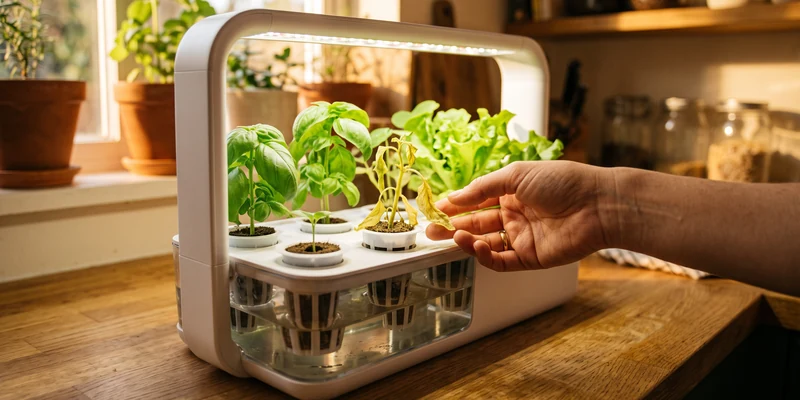
A Click and Grow is about as low-maintenance as growing gets, which is exactly why the small problems stand out: a Click and Grow water level indicator that will not budge, white fuzz creeping over a fresh pod, a germination dome you are not sure when to remove. The good news is that nearly every common issue with these gardens has a known cause and a fix you can do at the kitchen counter in minutes.
This guide collects the problems owners run into most, water, mold, domes, light, and stalled plants, with the likely cause and the fix for each. Start with the table, then read the deeper sections for the issues that keep coming back.
This article contains affiliate links. If you buy through them, we may earn a commission at no extra cost to you. Learn more.
Quick Answer
What fixes the most common Click and Grow problems?
- A stuck water level indicator is usually a sticking float: wiggle it gently, then clean the float shaft during the next tank rinse.
- White fuzz on pods is almost always a harmless surface mold: remove the dome, improve airflow, and scrape or dab it away.
- Domes come off the moment the sprout touches them; leaving them on is the root of most mold and leggy-seedling complaints.
Symptoms, Causes and Fixes at a Glance
Find your symptom in the left column; the fix is two cells away. Most of these take under five minutes.
| Symptom | Likely cause | Fix |
|---|---|---|
| Water indicator stuck down after refill | Float sticking on its shaft, or mineral film | Wiggle the float free; clean shaft and float at the next tank rinse |
| Indicator reads full but tank is low | Float stuck in the up position | Press it down gently and clean; refill by volume until resolved |
| White fuzz on pod surface | Harmless saprophytic mold thriving in trapped humidity | Remove dome, dab or scrape off fuzz, improve airflow around the garden |
| Green film on pod or basket | Algae feeding on light plus moisture | Shade the pod surface with its cover, wipe green areas, rinse at replant |
| Seeds never sprout | Old or unlucky seeds, or a spot that is too cold | Give it up to three weeks in a warm room; then claim a replacement pod |
| Seedlings tall, pale and floppy | Dome left on too long, or lamp arm raised too high | Remove dome on contact; keep lamp at the lowest height plants allow |
| Lamp not lighting | Power connection, or the automatic day cycle | Check plug and connections; remember the light schedules a real off period |
| Mature plant wilting or yellowing | Pod past its productive cycle, or tank run dry | Confirm water; if the pod is months old, its cycle is simply ending |
Water Level Indicator Problems
The float that shows your water level is the most-discussed quirk of these gardens, and the diagnosis is almost always mechanical: the float sticks on its shaft rather than gliding, so it under-reads after a refill or over-reads as the tank empties. A gentle wiggle usually frees it immediately.
The lasting fix is cleanliness. Minerals from tap water and a little biofilm build a film on the shaft over weeks, so make the float part of your routine: each time you empty the tank between plantings, rinse the float and shaft, wipe them, and the indicator behaves for weeks at a time. If your tap water is very hard, mixing in filtered water slows the buildup noticeably.
How often you should actually refill
Tank life depends on plant load: a garden of seedlings can go weeks between refills, while full-grown herbs in every slot drink far faster. Trust the float you just cleaned rather than a calendar, and top up before the tank runs bone dry, because a dry wick takes time to prime again.
White Mold and Green Algae on Pods
White, cottony fuzz on a pod surface looks alarming and is almost always trivial: a saprophytic surface mold feeding on the growth medium in humid, still air, most often under a dome that stayed on too long. It lives on the surface, not in your plant.
The response is airflow and removal. Take the dome off, dab or scrape the fuzz away with a paper towel, and give the garden a spot with some air movement. A light dusting of ground cinnamon on the pod surface is the folk remedy experienced growers reach for, and while it is no miracle cure, it costs nothing and often keeps the fuzz from returning. If mold reappears repeatedly, the room itself is likely humid and still; a small fan nearby changes everything.
A small clip-on fan aimed past the garden rather than at it is the usual fix, and it doubles as the answer to leggy stems, since gentle air movement thickens them. Keep the cord and the plug clear of the water tank.

Green algae is a light problem
Green film on pods or baskets is algae, and algae needs two things: moisture and light. The moisture is non-negotiable, so the fix is shade. Keep the pod covers in place around young plants, wipe off what has formed, and rinse baskets between plantings. Algae is more cosmetic than harmful at this scale, but starving it of light keeps the garden tidy. The same logic applies across pod gardens; our AeroGarden algae and mold guide goes deeper on the biology.
Germination Domes: The Two-Second Rule
The clear plastic domes exist to hold humidity around a germinating seed, and their job ends the moment green touches plastic. The rule is that simple: sprout touches dome, dome comes off.
Left on longer, domes cause both of the complaints above at once. The trapped humidity feeds surface mold, and the enclosed seedling stretches thin and pale against the plastic. If your seedlings keep coming out leggy even with the domes handled, check the lamp height next; the light should sit as low as the tallest plant allows, since distance costs small plants a surprising amount of intensity.
Slow Starts and Stalled Plants
Before declaring a pod dead, give it time and warmth. Germination speed varies widely by variety: lettuce shows in days, while peppers and some flowers can take two to three weeks, longer in a cool room. A pod that shows nothing after about three weeks in a warm spot is a legitimate failure, and Click & Grow has historically replaced failed pods; check the current policy and keep your order details.
Mature plants that fade after months are usually not a problem at all: pods are single-cycle by design, with a finite nutrient supply, so an old basil giving up is the system working as intended. What ends a pod’s run and what you can do about it is covered in our Click and Grow pods guide.
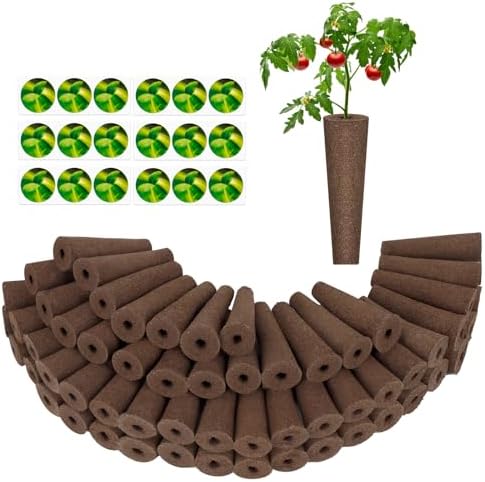
If you would rather replant immediately than wait on a replacement, compatible blank grow sponges drop straight into the same cups and let you use your own seed.
Common Mistakes to Avoid
- Scrubbing symptoms, ignoring causes. Wiping mold weekly while the dome stays on treats the photo, not the problem.
- Refilling on a schedule instead of the float. Plant load changes water use several-fold; the indicator, kept clean, is the honest signal.
- Raising the lamp for your kitchen’s looks. Every inch above the plants costs seedlings intensity they badly need.
- Tossing a slow pod at day ten. Some varieties are simply slow; three warm weeks is the fair trial.
- Skipping the between-crop rinse. A quick clean of tank, floats, and baskets between plantings prevents most film, smell, and algae complaints.
Where to Go From Here
If the fixes above solve your issue, a rinse-and-airflow routine will keep it solved; most owners report the second cycle runs smoother than the first. If you are troubleshooting while still deciding whether the system suits you long term, our Click and Grow Smart Garden review weighs the wick-based design against its pump-driven rivals honestly.
Frequently Asked Questions
Why is my Click and Grow water level indicator not working? The float is almost certainly sticking on its shaft, usually from mineral film or debris. Wiggle it gently to free it, and clean the float and shaft whenever you rinse the tank.
Is the white fuzz on my Click and Grow pod dangerous? It is a common surface mold that feeds on the growth medium, not on your plant. Remove the dome, wipe the fuzz away, and improve airflow; it is a humidity signal rather than a health hazard.
When should I remove the germination domes? As soon as the sprout touches the plastic. Removing them on contact prevents most mold and keeps seedlings from stretching thin against the dome.
Why are my Click and Grow plants leggy? Domes left on too long or a lamp raised too high. Take domes off promptly and keep the light at the lowest height your tallest plant allows.
My pod never germinated. Now what? Give it up to three weeks somewhere warm. If nothing shows, the pod failed; Click & Grow has historically replaced failed pods, so check their current policy with your order details at hand.
The Bottom Line
Click and Grow problems cluster around three habits: a float that wants an occasional clean, domes that should come off at first contact, and airflow that keeps mold and algae from settling in. Build those into a five-minute weekly glance and the garden goes back to being the appliance it promised to be. The rest is patience with slow seeds and acceptance that every pod’s cycle eventually ends.