Last updated: August 13, 2026
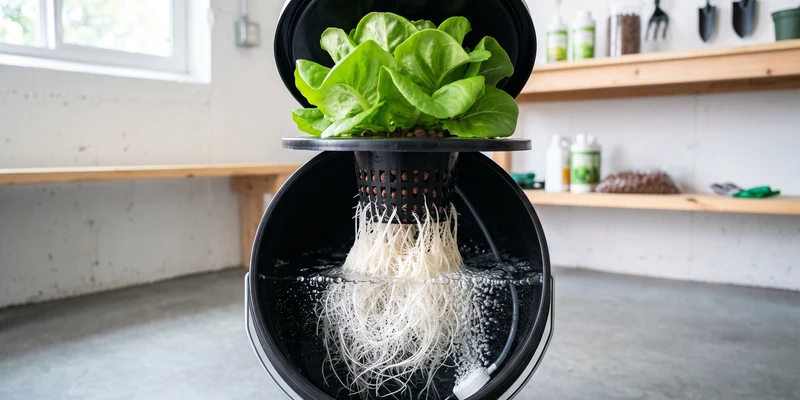
Deep water culture is the hydroponic method most tinkerers meet first, and for good reason: a container of nutrient solution, a net pot full of clay pebbles, and an aquarium air pump are the entire system. Plants sit with their roots hanging straight into the water, and because that water is constantly bubbled with air, they grow with a speed that surprises people coming from soil.
This guide is the complete picture of DWC: how it works, what each part does, the numbers that matter for water, nutrients, and pH, what to grow in it, and the one problem, root rot, that every DWC grower eventually meets. By the end you will know whether to build a bucket, buy a kit, or pick a different method entirely.
This article contains affiliate links. If you buy through them, we may earn a commission at no extra cost to you. Learn more.
Quick Answer
What is deep water culture?
- DWC is a hydroponic method where roots hang directly in a reservoir of nutrient solution that is continuously aerated by an air pump and air stone.
- The constant supply of water, nutrients, and dissolved oxygen is why DWC plants grow fast, and why the air pump is the one part you must not skimp on.
- It shines for lettuce, herbs, and greens, works for tomatoes and peppers with more management, and costs very little to build from a bucket or tote.
How Deep Water Culture Works
A DWC system suspends a plant above a reservoir so its roots grow down into nutrient solution, while an air pump pushes a steady stream of fine bubbles through the water. The bubbles do two jobs: they dissolve oxygen into the solution and they keep it moving, so roots never sit in stagnant water.
That dissolved oxygen is the entire trick. Roots need oxygen to function, which is why overwatered soil plants drown. DWC sidesteps the problem by making the water itself oxygen-rich, giving roots unlimited access to water, food, and air at the same time. The result is the growth rate DWC is known for, with lettuce commonly going from seedling to harvest in around 30 to 40 days in the system.
| Component | What it does | Notes |
|---|---|---|
| Reservoir | Holds the nutrient solution | A 5 gallon bucket or a storage tote; must be lightproof to prevent algae |
| Lid and net pot | Suspends the plant above the water | Net pots from about 3 to 8 inches; clay pebbles anchor the plant |
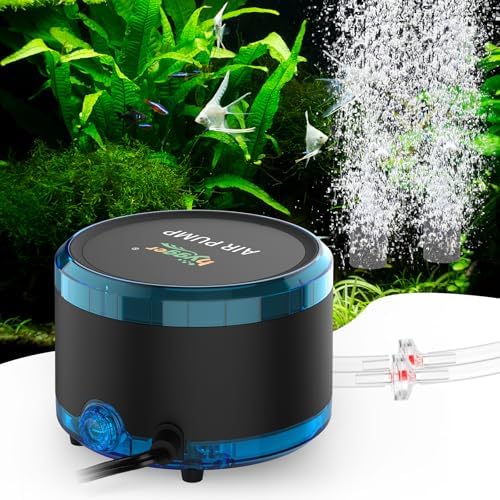
| Air pump | Supplies dissolved oxygen | An aquarium-style pump sized to the reservoir, running 24/7 |
| Air stone and tubing | Breaks air into fine bubbles | A check valve in the line stops water backflowing into the pump |
| Nutrient solution | Feeds the plant | Hydroponic nutrients mixed to strength, pH adjusted to range |
One safety habit worth adopting on day one: plug the air pump into a GFCI outlet, keep it above the water line or fit a check valve, and let the cord hang in a drip loop. Electricity and reservoirs share a room in every DWC setup, and those three details make that boring, in the good way.
The pump is the component that decides how well the whole method works, so buy it with a little headroom over your reservoir volume.
DWC, Kratky, and NFT: Same Family, Different Engines
The three beginner-friendly hydroponic methods differ in how roots get oxygen. DWC bubbles air through a full reservoir. The Kratky method uses no pump at all: the container starts full and is never topped up, and as the water level falls, roots develop in the moist air gap above the solution, breathing there while the lower roots drink. NFT streams a thin film of solution along a channel, so roots sit mostly in air with a wet underside.
The practical consequences fall out of that one difference. DWC needs electricity but supports bigger, thirstier plants and lets you top up and adjust the reservoir over time. Kratky is silent, free to run, and superb for lettuce, but the set-and-forget design means less control once planted; our Kratky method guide covers it fully. NFT scales beautifully for commercial lettuce but is the most vulnerable to pump failure, since roots have no reservoir to fall back on.
The Numbers That Matter: Water Level, pH, and Nutrients
Three settings keep a DWC system healthy, and none of them are complicated. Water level: for a young transplant, keep the solution touching the bottom of the net pot so the growing medium wicks moisture up, then let the level drop an inch or two below the pot as roots lengthen, which keeps the crown dry and gives the upper roots humid air. The details live in our DWC water level guide.
pH: most leafy greens and common vegetables do well with the solution around 5.5 to 6.5, the window where hydroponic nutrients stay available to roots. Test with a proper meter every few days and nudge with pH down or up as needed. Nutrient strength: follow your fertilizer’s hydroponic dosing as a starting point, lighter for lettuce and herbs, stronger for fruiting crops, and refresh the reservoir with a full change roughly every one to two weeks rather than endlessly topping up. Our hydroponic nutrients explainer unpacks NPK, A/B bottles, and powders if that world is new to you.
Temperature, the quiet variable
Cooler water holds more dissolved oxygen, and the organisms behind root disease prefer warm reservoirs. Growers generally aim to keep solution roughly in the 60s Fahrenheit; a reservoir sitting under hot lights or in a warm room drifts toward trouble. Shade the bucket, and in warm setups consider a larger water volume, which swings more slowly.
What to Grow in DWC
Leafy greens are the home turf: lettuce, bok choy, kale, chard, and basil all grow fast and stay a manageable size. Herbs beyond basil work well too, though woody ones like rosemary are slow starters. This is the crop range where DWC feels almost unfairly easy.
Fruiting crops, tomatoes, peppers, and cucumbers, absolutely grow in DWC, and often vigorously, but they raise the stakes: big plants drink gallons, need support, and turn a small reservoir into a daily chore by midsummer. Root vegetables are the wrong fit, since carrots and potatoes want a solid medium. Start with greens, and graduate to fruit once topping up and pH checks are routine.
Root Rot: The One Problem to Take Seriously
Healthy DWC roots are white or cream and smell like fresh water. Root rot turns them brown, slimy, and sour-smelling, and it is the failure mode behind most abandoned DWC projects. It has two intertwined causes: too little dissolved oxygen, and pathogens, particularly Pythium, that thrive in warm, stagnant, oxygen-poor water. Weak aeration does not just starve roots, it builds the exact environment the pathogens want.
Prevention is mostly the basics done consistently: a properly sized air pump running around the clock, a lightproof reservoir, cool solution, and regular full water changes. If rot does appear, act early: trim the worst roots, do a complete reservoir clean and refill, and increase aeration. The full playbook, including beneficial bacteria products many growers add, is in our DWC root rot guide.
Build One or Buy One?
DWC is the cheapest serious hydroponics there is, which makes the build-versus-buy question pleasantly low-stakes. A single-bucket build is an afternoon project with a drill: our 5-gallon DWC bucket setup guide walks through it step by step, and a tote with several net pot holes turns the same idea into a lettuce raft.
A build like that still needs one consumable, a bag of clay pebbles to fill the net pot.

Kits earn their keep by bundling matched parts, bucket, pre-cut lid, pump, stone, tubing, and pebbles, and by removing every excuse not to start tonight. Multi-bucket kits also solve plumbing questions you would otherwise improvise. We compare the options in our guide to the best DWC hydroponic systems.
If you would rather start this week than shop for parts, a single bucket kit is the short path.

Common Mistakes to Avoid
- Running without a check valve. If the pump sits below the water line and power cuts out, water can siphon back into it. A check valve costs almost nothing.
- Using a clear or white container bare. Light plus nutrients equals algae. Use an opaque reservoir or wrap it; black buckets are popular for a reason.
- Drowning the crown. Water lapping at the stem base invites rot. Only new transplants should have solution touching the net pot.
- Topping up forever instead of changing. Nutrient ratios drift as plants feed selectively. Do a full change every week or two.
- Guessing pH. Strips are hard to read and drops are coarse. A basic digital meter pays for itself in saved crops; see our pH meter guide.
- Ignoring water temperature. A warm reservoir is the fast lane to root rot. Keep it shaded and cool.
Frequently Asked Questions
Does DWC need an air pump running 24/7? Yes. The method depends on continuously dissolved oxygen, and roots suffer within hours in warm, still water. If silence or power use is a dealbreaker, the pump-free Kratky method is the better fit.
How often should I change the water in DWC? A full reservoir change every one to two weeks is the common practice, with top-ups in between. Fast-drinking fruiting plants sit at the short end of that range.
What pH should a DWC system be? Around 5.5 to 6.5 for most crops, which keeps nutrients available to roots. Check every few days, since pH drifts as plants feed.
Is deep water culture good for beginners? Yes, arguably the best powered method to learn on: few parts, cheap to build, fast results with lettuce and herbs, and every problem it has is well documented.
Why are my DWC roots turning brown? Brown, slimy, bad-smelling roots point to root rot from low oxygen, warm water, or pathogens. Brown staining alone can also just be nutrient dye; smell and texture are the real tests.
How deep should the water be in DWC? Depth matters less than the gap at the top: solution should touch a new transplant’s net pot, then sit an inch or two below it once roots hang into the reservoir.
The Bottom Line
Deep water culture is hydroponics reduced to its essentials: roots in aerated nutrient solution, growing faster than soil because water, food, and oxygen never run short. Keep the pump running, the reservoir dark and cool, the pH around 5.5 to 6.5, and change the water fully every week or two, and it is remarkably hard to fail with greens and herbs. Start with one bucket or a small kit, and let the first heads of lettuce convince you.