Last updated: August 13, 2026
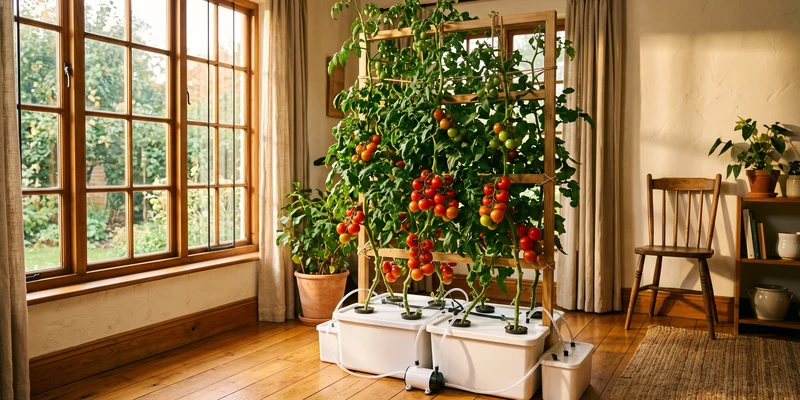
Choosing a hydroponic system for tomatoes is a different exercise from choosing one for lettuce, because a tomato is not a polite houseplant. It is a large, thirsty, heavy-feeding vine that wants serious light, sturdy support, and a reservoir that can keep up with a plant drinking quarts per day at full size. Systems that grow perfect basil can be completely outmatched by a tomato in week six.
The good news: hydroponic tomatoes are absolutely achievable at home, and the growth speed is genuinely startling once the setup matches the plant. This guide walks through what tomatoes demand, which system types can carry them to harvest, and the hardware worth buying for a first indoor tomato crop.
This article contains affiliate links. If you buy through them, we may earn a commission at no extra cost to you. Learn more.
Quick Answer
What is the best hydroponic system for tomatoes?
- A 5 gallon deep water culture bucket per plant is the proven home setup: enough water, enough oxygen, and room for the huge root mass a fruiting tomato builds.
- For a countertop, a tall smart garden like the AeroGarden Bounty class handles dwarf and cherry varieties; full-size vines need the bucket route plus a strong grow light.
- Choose compact determinate or dwarf varieties indoors, plan support before the plant needs it, and hand pollinate the flowers.
What Tomatoes Demand From a System
Tomatoes are the heavyweight class of home hydroponics. Before comparing products, it helps to see the load the system has to carry, because every requirement below scales up sharply once fruiting starts.
| Requirement | Why it matters | What to aim for |
|---|---|---|
| Reservoir volume | A fruiting tomato can drink quarts of solution per day | Around 5 gallons per plant in DWC; small tanks need constant refilling |
| Root zone oxygen | Fast top growth requires fast root respiration | An air pump and air stone running continuously in water systems |
| Strong light | Fruit set and ripening are energy intensive | Commonly around 14 to 18 hours daily under a capable LED panel |
| Vertical space and support | Even compact varieties get top-heavy with fruit | Stakes, cages, or a trellis line planned from day one |
| Richer feeding | Tomatoes feed harder than any leafy crop | Solution strength commonly around 2.0 to 3.5 EC, pH around 5.5 to 6.5 |
| Pollination help | No wind or insects indoors | Shake flower trusses or use a soft brush every day or two |
Variety choice does half the work. Indoors, dwarf and determinate cultivars, think Micro Tom, Tiny Tim, Red Robin, and compact bush cherries, stay manageable, while indeterminate vines will happily hit the ceiling and keep going. Save those for a grow tent with height to spare.
Which System Types Can Carry a Tomato
Deep water culture is the default answer, and for good reason. A single 5 gallon bucket per plant supplies the volume, the air pump supplies the oxygen, and the format handles the root mass that chokes smaller systems. It is the same architecture our bucket build guide walks through, and moving from lettuce to tomatoes in DWC is mostly a matter of stronger feed and bigger support.
Passive Kratky works for compact varieties in large containers, no pump at all, though it asks for more attention to solution depth as the plant scales; our Kratky tomatoes guide covers that path honestly. Smart gardens handle the dwarf and cherry end of the spectrum, with tall light arms being the deciding feature. NFT channels, by contrast, are the wrong tool: tomato root mats dam the shallow film and the plants outgrow the structure.
Our Top Picks for Hydroponic Tomatoes
How we chose: we compared widely available systems on reservoir volume, aeration, vertical headroom, support options, and how consistently owners report carrying tomato plants through fruiting, based on manufacturer specifications and recurring grower feedback rather than in-house trials.
🏆 Best Overall
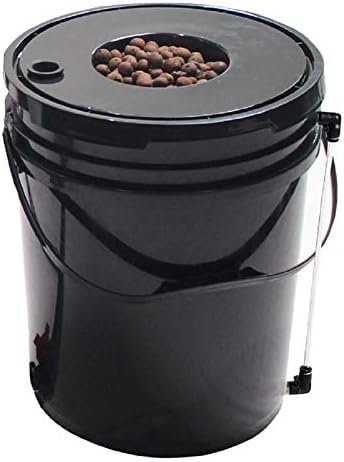
A 5 gallon DWC bucket kit with air pump, air stone, and net pot lid, one bucket per plant. This is the configuration home growers have converged on for tomatoes: cheap, expandable, and sized for the thirst of a fruiting vine. Pair it with a real light and a cage, and it will outgrow anything on a countertop.
🖥️ Best Smart Garden Route
A tall-arm countertop system in the AeroGarden Bounty class, with the headroom and light output for cherry and dwarf tomatoes from seed pod to harvest with the schedule automated. The brand relaunched in spring 2025 after its shutdown; our AeroGarden review covers what that means for buyers.

💰 Best Budget Build
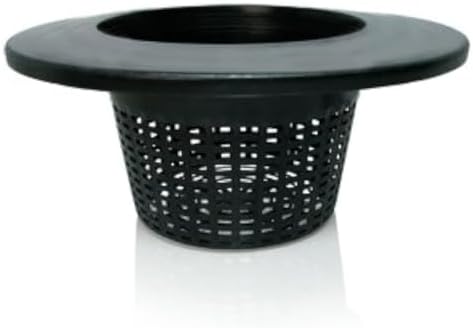
The pumpless option: a 5 gallon bucket with a wide net pot bucket lid, run Kratky style with a compact determinate variety. No electricity at the root zone, just careful initial fill and a partial top-up routine once fruiting starts. The cheapest credible path to a homegrown tomato.
Light and Feeding: Where Tomato Projects Succeed or Stall
If lettuce forgives weak light, tomatoes do not. A plant can look healthy and green for months and simply refuse to set fruit under insufficient light, which is the most common indoor tomato disappointment. Most growers run capable LED panels around 14 to 18 hours daily and keep them roughly 12 to 24 inches above the canopy, adjusting for the fixture’s power; our guide to the best grow lights for tomatoes sizes panels to plant count.
Feeding scales through the season. Young plants start around leafy-green strength, then climb as flowering begins, with fruiting tomatoes commonly run around 2.0 to 3.5 EC and a pH around 5.5 to 6.5. Two practical notes: keep calcium steady, since blossom end rot on the first fruit truss traces back to calcium delivery problems, and refresh the reservoir fully every week or two once the plant is drinking hard. A safety note for every powered setup: run pumps and lights from a GFCI protected outlet with a drip loop in the cords.
The two add-ons that finish the setup
💡 The Light That Sets Fruit
A full spectrum LED panel with the output for a fruiting canopy, sized to cover one or two bucket plants. This is the purchase that separates green foliage from actual tomatoes.

🧪 The Feed You Can Steer
A three part nutrient system lets you shift the ratio from growth to bloom as trusses form, which one-bottle formulas cannot. Our upcoming tomato nutrients guide details the schedule.

Pollination, Pruning, and Support
Indoors, you are the wind. Tomato flowers self-pollinate when vibrated, so give each flowering truss a gentle shake or a buzz with an electric toothbrush handle every day or two, or keep a small fan moving air across the plants. Poor fruit set with plenty of flowers almost always means this step was skipped.
Compact varieties need little pruning beyond removing yellowing lower leaves, while anything vining wants suckers pinched and a stake or cage installed early, since a fruit-laden plant cannot be untangled later. Expect first ripe fruit typically around 60 to 85 days from transplant depending on variety, with cherry types at the fast end.
Common Mistakes to Avoid
- Growing an indeterminate vine in a countertop unit. It will outgrow the light arm within weeks. Match variety to system height.
- Undersizing the reservoir. Small tanks empty in a day under a fruiting plant and swing wildly in strength. Five gallons per plant is the benchmark.
- Weak light with high hopes. Lush foliage and no fruit is a light problem, not a nutrient problem, in most indoor tomato setups.
- Ignoring calcium. Blossom end rot shows up on the first fruits when calcium delivery lags. Use a complete formula and keep the reservoir fresh.
- Skipping pollination. Flowers need vibration indoors. Shake, brush, or fan, on a schedule.
- Adding support after the plant needs it. Cage or stake at transplant, while the root zone is still undisturbed.
Where to Go From Here
If this is your first hydroponic crop of any kind, consider one bucket of lettuce first to learn the reservoir routine on an easy plant; the deep water culture guide is the primer. Then plant the same bucket with a dwarf tomato and scale from there.
If the countertop route fits your space better, our indoor hydroponic garden roundup compares the tall-arm machines that can genuinely carry cherry tomatoes against the compact herb-focused units that cannot.
Frequently Asked Questions
How long do hydroponic tomatoes take to fruit? Typically around 60 to 85 days from transplant to first ripe fruit, depending on variety, with dwarf and cherry types at the fast end. Hydroponic growth generally runs quicker than soil under equal light.
Can you grow full-size tomatoes hydroponically at home? Yes, in a DWC bucket with strong light, support, and a variety suited to indoor height. Beefsteak-class indeterminate vines are possible but are best reserved for grow tents with vertical room.
What EC and pH do hydroponic tomatoes need? Commonly a pH around 5.5 to 6.5, with solution strength climbing from around 1.5 EC for young plants to around 2.0 to 3.5 EC in fruiting, adjusted to how the plant responds.
Why are my tomato flowers falling off without fruit? Indoors the usual causes are lack of pollination vibration, heat stress, or light that is too weak to support fruit set. Shake the trusses regularly and reassess the light before blaming nutrients.
Do hydroponic tomatoes taste as good as soil-grown? Taste tracks variety, light, and ripeness at picking far more than the growing method. A vine-ripened cherry tomato from a bucket beats a supermarket tomato picked early, whatever the medium.
The Bottom Line
Tomatoes reward the growers who size for them: a 5 gallon aerated bucket per plant, a light strong enough to set fruit, support installed early, and a hand on the flower trusses every couple of days. Start with a dwarf or cherry variety in DWC, or a Bounty-class smart garden if the counter is your garden, and the harvest will justify the hardware.