Last updated: August 13, 2026
If you are wondering why your AeroGarden is growing algae, or you just lifted the grow deck and found green film in the bowl and something white and fuzzy on a pod, you are looking at the two most common complaints AeroGarden owners share. The good news is that both have boring explanations. Algae needs exactly two things to grow, light and nutrient rich water, and an AeroGarden serves both on a schedule. Mold needs moisture and still air, which is precisely what a covered seed pod provides in its first weeks.
Neither one means your garden is ruined, and in most cases neither means your plants are in danger. This guide walks through how to tell green algae, white mold, and harmless root fuzz apart, what causes each, how to clean them out, and how to keep them from coming back next planting.
This article contains affiliate links. If you buy through them, we may earn a commission at no extra cost to you. Learn more.
Quick Answer
Why is your AeroGarden growing algae or mold?
- Green algae appears when the grow light reaches the nutrient water, usually through empty pod holes or gaps around pods. Block the light and algae loses.
- White fuzz on top of a pod is usually mold from trapped humidity, most often under grow domes left on too long. Remove domes once sprouts appear and improve airflow.
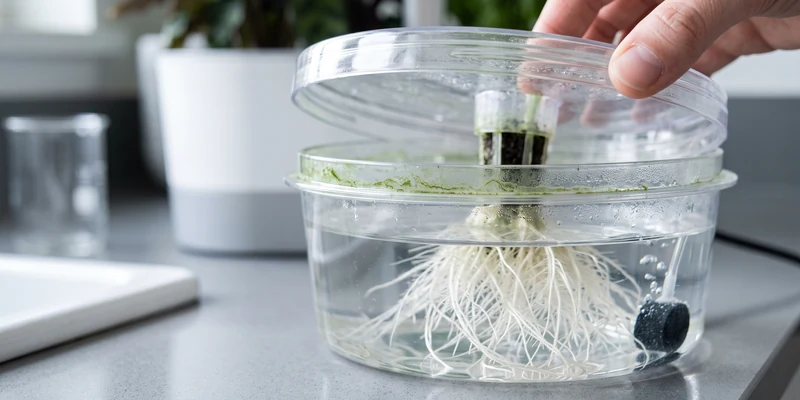
- Fine white fuzz on roots is normal root hair, not mold. Healthy roots are white or cream colored; do not scrub them.
Algae, Mold, or Root Hairs: Identify It First
Before you clean anything, figure out which of the three you actually have, because one of them should be left alone entirely. This table covers the common sightings inside an AeroGarden and what each one calls for.
| What you see | What it usually is | Cause | What to do |
|---|---|---|---|
| Green film in the bowl or on pods | Algae | Light reaching nutrient water | Cover exposed holes, wipe surfaces, rinse the bowl at refills |
| Green slime on the water surface | Algae bloom | Prolonged light exposure plus warm water | Full clean and refill, then block every light path |
| White cottony fuzz on the pod surface or sprout | Mold | Trapped humidity, still air, domes left on | Remove domes, dab the fuzz away, add airflow |
| Fine white fuzz along the roots | Root hairs, healthy | Normal growth | Nothing, this is what good roots look like |
| Brown, slimy, sour smelling roots | Root rot | Low oxygen plus pathogens | Trim affected roots, clean system, fresh water |
The single most useful distinction in that table is the last two rows against each other. New growers regularly mistake healthy root hairs for mold and healthy roots for a problem. Root hairs look like a soft white halo around the root, they appear evenly, and they do not smell. Trouble announces itself with brown color, slime, and odor.
Why AeroGardens Grow Algae
Algae shows up because the growing conditions inside the bowl are close to perfect for it. The water carries a full nutrient mix, the pump keeps it moving, and a bright LED panel runs above it for around 15 hours a day. The only missing ingredient is light actually reaching the water, and that is why every algae fix comes down to blocking light paths.
The usual entry points are empty pod holes without covers, pod labels that have peeled back, gaps around loosely seated pods, and see through sections of an aging or stained bowl. Warm water speeds things up, which is why algae complaints climb in summer and near heat vents. Algae itself does not attack your plants, but it competes for nutrients, coats surfaces, can shorten the life of the pump, and makes the water a friendlier place for the organisms behind root rot.
The fix: starve it of light
Keep unused holes closed with the plastic spacers or covers that came with your garden, or improvise with any opaque cover. Keep pod labels in place, since they exist partly as light blockers. If algae keeps returning in the same spot, follow the light: somewhere a beam is reaching water, and once you find and block it, the algae stops rebuilding.
Why Mold Appears on Seed Pods
Mold on an AeroGarden pod is almost always a humidity story. The clear grow domes that ship with seed pod kits are excellent at holding moisture in during germination, and just as excellent at creating the still, damp pocket of air mold prefers. Leave domes on after sprouts appear and a white cottony layer on the grow sponge often follows.
The response is simple. Take the domes off as soon as you see green, dab visible fuzz away with a paper towel, and give the area moving air. A small fan on low, or simply a less enclosed spot in the room, changes the surface conditions enough that mold rarely returns. Some growers lightly rub affected sponge surfaces with a diluted hydrogen peroxide solution, which is a common and practical approach, just keep it away from young roots and use it sparingly. If a pod never germinated and molded instead, discard it rather than nursing it along; our AeroGarden pods guide covers replacements and third party options.
The Cleanup, Step by Step
When algae has moved past a light film, spot wiping stops being enough and a proper reset is worth the twenty minutes. The routine below is the short version; the full walkthrough with a between plantings deep clean lives in our guide on how to clean an AeroGarden.
- Unplug the garden. Water and electricity are involved, so power off first, and as a general rule run any water based appliance on a GFCI protected outlet.
- Lift the deck and plants out. Rest the grow deck with pods on a towel. Roots can sit in open air for the few minutes this takes.
- Empty and rinse the bowl. Pour out the old water, then scrub the green film with a soft brush or cloth and warm water. A little distilled white vinegar helps lift stubborn film and mineral crust.
- Clean the pump. Detach it, rinse it, and work the intake clean, since algae strands are a classic cause of weak pumps. If your pump has other issues, see our AeroGarden troubleshooting guide.
- Rinse everything once more, refill, and dose nutrients. Fresh water, fresh nutrients, deck back on, plug in.
Between full growing cycles, a sanitizing run of the emptied system with diluted vinegar or a small amount of bleach, followed by thorough rinsing, is the widely recommended way to start the next planting clean.
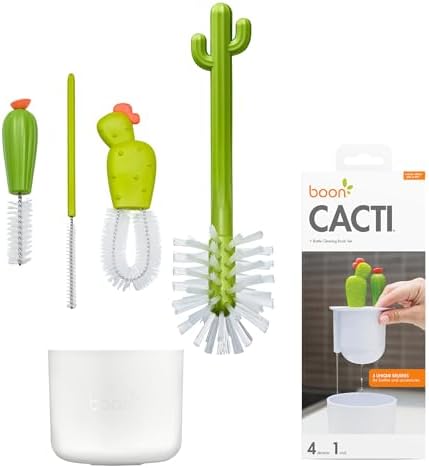
The one tool that makes this quicker is a soft brush set: a wide bottle brush for the bowl corners and a narrow one for the pump intake, both gentle enough not to scuff the plastic.
Keeping It From Coming Back
Prevention is mostly light discipline plus water hygiene, and none of it takes real effort once it becomes routine.
- Cover every unused pod hole. This is the highest value habit on the list.
- Change the water on schedule. Topping off is fine day to day, but a full drain and refill roughly every few weeks keeps nutrients balanced and denies algae a stable home.
- Remove grow domes at sprouting. Domes are for germination only.
- Keep the water cool. Site the garden away from radiators, heat vents, and hot afternoon windows.
- Wipe early. A green tint wiped away at a water change never becomes a bloom.
If the spacers that came with your garden went missing years ago, a replacement pack of deck spacers closes every empty hole properly, which beats improvising with tape.

Common Mistakes to Avoid
- Scrubbing healthy roots. White fuzz on roots is root hair. Scrubbing it off sets the plant back for nothing.
- Pouring bleach into a running garden. Sanitizers belong in an emptied system between plantings, followed by a thorough rinse, never in water your plants are drinking.
- Leaving grow domes on for weeks. The most common mold cause in the entire product line.
- Treating algae as a plant disease. It is a light problem. Fungicides and panic replanting do nothing that a covered pod hole does not do better.
- Ignoring a sour smell. Odor plus brown slimy roots points to root rot, which needs action, not observation.
Where to Go From Here
If this is one problem among several, from blinking lights to a silent pump, our AeroGarden troubleshooting guide collects the fixes in one place. If cleaning revealed a garden at the end of its road, it is worth knowing the brand itself has had a turbulent stretch: AeroGarden stopped operations on January 1, 2025 and relaunched in spring 2025 with new stock and support. Our AeroGarden review looks at what the rebooted brand offers before you reinvest in pods and parts.
Frequently Asked Questions
Is algae in my AeroGarden harmful to the plants? Not directly. Algae competes for nutrients, clogs pumps, and invites bigger water quality problems, so it is worth removing, but a green film does not poison your herbs.
Are herbs from a garden that had algae safe to eat? The edible parts grow above the water, so the standard practice is simply washing harvested leaves before eating, the same as with any produce. Clean the system itself to protect the plants.
What is the white fuzzy stuff on my AeroGarden roots? Almost always root hairs, which are a sign of a healthy root system. Mold concerns apply to the top of the pod and sponge, not to evenly fuzzy white roots.
Can I use hydrogen peroxide in my AeroGarden? Many growers use small amounts of diluted hydrogen peroxide to treat mold spots on sponges or freshen suspect water. Used sparingly it is a common practice; heavy dosing can stress roots and helpful microbes.
How often should I change the water to prevent algae? A full drain and refill roughly every two to four weeks is the commonly recommended rhythm, with top offs in between. More often in warm rooms, less critical in cool ones.
The Bottom Line
Algae means light is reaching your nutrient water, mold means humid still air is sitting on your pods, and white fuzzy roots mean everything is fine. Block the light paths, pull the domes at sprouting, keep a water change rhythm, and both problems fade into a quick wipe at refill time.