Last updated: August 13, 2026
Shopping for the best pH meter for soil is where a lot of gardeners meet their first real disappointment. The two prong analog probes that dominate the category promise pH, moisture, and light from one stick with no batteries, and they cost almost nothing. They also produce readings that many growers find impossible to reproduce, sometimes shifting a full point depending on how firmly the probe is pushed into the pot.
The good news is that measuring soil pH accurately is not expensive, it just works differently than most people expect. This guide explains the four methods that actually exist, which one fits raised beds versus houseplants versus seed starting, and which tools are worth owning. Everything below draws on published specifications and the patterns that repeat across gardener feedback rather than any testing of our own.
This article contains affiliate links. If you buy through them, we may earn a commission at no extra cost to you. Learn more.
Quick Answer
Which soil pH meter should you buy?
- For readings you can act on, use a digital meter with a soil spear tip, or a chemical test kit that compares color against a chart.
- The cheap analog probes are best treated as rough moisture meters. Their pH scale responds to how wet and how compacted the soil is, not just its acidity.
- The most accurate home option is the slurry method: mix soil with distilled water, let it settle, then read it with a calibrated pocket pH meter.
Four Ways to Measure Soil pH, Compared
Pick the method before the product. Each one trades accuracy against convenience, and the right answer depends on whether you are checking one houseplant or planning amendments for a whole bed.
| Method | How it works | Realistic accuracy | Best for |
|---|---|---|---|
| Analog probe | Two dissimilar metals generate a small current in moist soil | Rough at best, and easily thrown off by moisture and contact | A quick moisture check, not a pH decision |
| Chemical test kit | Soil sample plus a reagent capsule, read against a color chart | Good enough to guide amendments in most garden soils | Beds, borders, and one time checks before planting |
| Digital soil meter | A glass electrode on a spear tip designed to be pushed into moist media | Repeatable when calibrated and kept clean | Container growing, seed starting, frequent checks |
| Slurry method | Soil stirred into distilled water, then measured with a water pH meter | The most reliable option available at home | Anyone who already owns a calibrated pocket meter |
The pattern is straightforward. Anything that reads pH through soil directly is fighting an uneven, variable material. Anything that gets the soil into water first is measuring something a pH electrode was designed to read.
Why Cheap Soil pH Probes Disappoint
An analog probe with no battery cannot measure pH the way a glass electrode does. It generates a small voltage between two metal strips, and that voltage responds strongly to how wet the soil is, how tightly it is packed around the probe, and how many dissolved salts are present. pH is only part of what moves the needle, which is why the same pot can read differently twice in a row.
That does not make them useless. As moisture indicators they are genuinely handy, particularly in large pots where the surface dries long before the root zone does. Read the pH scale as a very rough hint and nothing more, and never amend a bed based on it.
What “3 in 1” really buys you
The light meter on those probes is similarly approximate, giving you a relative sense of bright versus dim rather than a usable measurement. If light levels are the actual question for an indoor plant, distance and duration guidance from a grow light guide will serve you better than the dial.
Our Top Picks at a Glance
How we chose: we compared widely available soil pH tools on how they actually sense pH, whether they can be calibrated, how repeatable growers report their readings to be, and how well each suits pots versus beds. Manufacturer specifications and recurring themes in gardener feedback did the work here, not any hands on trial.
🏆 Best Overall
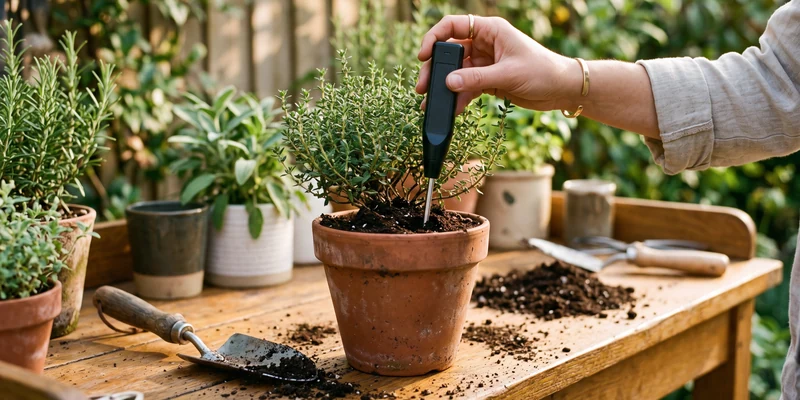
A digital soil pen with a spear tip electrode built to be pushed into moist growing media, plus proper calibration against buffer solutions. It is the closest thing to a lab reading you can take standing over a pot, and it repeats reliably when the probe is kept clean and stored wet.

🧪 Best Without Electronics
A capsule based soil test kit that compares a colored sample against a printed chart. No batteries, no calibration, and no drift, which makes it a sensible one time check before planting a bed or amending a border. Many kits cover nitrogen, phosphorus, and potassium in the same box.

💰 Best Budget Pick
The familiar no battery probe. Buy it for what it does well, telling you whether a large pot is actually dry at depth, and treat its pH dial as a rough hint rather than a number to act on. Useful in a container garden, not a substitute for a real pH reading.

The Slurry Method: The Most Accurate Home Option
If you already own a pocket pH meter for hydroponics, you own the best soil pH tool in this article. The slurry method turns an awkward solid into a liquid your electrode can read properly, and it takes about twenty minutes of mostly waiting.
Take a sample from root depth rather than the surface, remove stones and roots, and mix it with distilled water in roughly equal parts by volume. Stir well, let it stand for fifteen to thirty minutes so the solids settle, then read the water above the soil with a calibrated meter. Rinse the probe immediately afterward, because grit is hard on a glass bulb.
Two tools that make it work
📏 A Calibrated Pocket Meter
A waterproof pocket tester with automatic temperature compensation reads the slurry water cleanly and doubles as your hydroponic reservoir meter. Our pH meter guide covers what separates the durable ones from the disposable ones.

🧫 Buffer Solutions
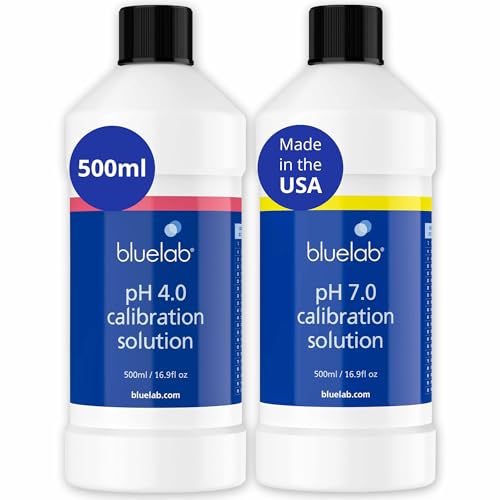
pH 4.0 and 7.0 buffers are what keep any digital reading honest, in soil or in water. Without them you have a confident number rather than an accurate one; the routine is in our guide to calibrating a pH meter.
What Reading You Are Aiming For
Most garden vegetables and herbs are commonly grown somewhere around 6.0 to 7.0, where the major nutrients are broadly available. Acid loving plants such as blueberries, azaleas, and rhododendrons sit considerably lower, typically around 4.5 to 5.5, which is why they struggle in ordinary garden soil without amendment.
Bagged potting mixes usually arrive already buffered into a workable range, so container gardeners often have less to fix than they expect. What changes over time is the water you apply and the fertilizer you use, both of which nudge the mix in one direction over months.
Soil moves slowly, water moves fast
The most important practical difference between soil and water culture is inertia. Soil resists change, so amendments such as elemental sulfur to lower pH or garden lime to raise it work over weeks and months, not days. A hydroponic reservoir has almost no buffering at all, which is why solution can drift half a point in a day and why growers using both systems need two different mental models. The water side is covered in our dosing guide per crop.
Common Mistakes to Avoid
- Testing dry soil. Every method needs moisture. Water the pot or bed, wait an hour, then sample.
- Sampling only the surface. The top inch is not where roots live. Take material from root depth, and mix several spots for a bed.
- Using tap water for a slurry. Tap water carries its own minerals and pH. Distilled or RO water is the only sensible choice here.
- Amending on one reading. Confirm with a second test, ideally a different method, before adding sulfur or lime to a whole bed.
- Leaving a spear tip dirty. Soil residue on a glass electrode ruins accuracy and shortens probe life. Rinse right after each reading.
- Expecting instant results from amendments. Soil pH changes over seasons. Retest after a few months rather than a few days.
Where to Go From Here
If your goal is fresh herbs on a windowsill rather than a perfectly amended bed, a good potting mix and consistent light will do more for the plants than any pH adjustment; our guide to growing herbs indoors covers that side. And if you are considering feeding potted plants with a hydroponic formula, the trade-offs are worth reading first in using hydroponic nutrients in soil.
For growers who split their time between pots and water culture, one calibrated pocket meter plus a spear tip probe covers both worlds. That combination is far more useful than a drawer full of analog sticks.
Frequently Asked Questions
Are cheap soil pH meters accurate? Generally not for pH. The two prong analog probes respond to moisture, compaction, and dissolved salts as much as acidity, so readings are hard to reproduce. They work reasonably well as moisture indicators.
What is the most accurate way to test soil pH at home? The slurry method: mix soil with distilled water in roughly equal parts, let it settle, then measure the water with a calibrated pH meter. A capsule test kit is the best option if you would rather not own a meter.
Can I use a hydroponic pH meter in soil? Not by pushing it into a pot, since those probes are built for liquid and grit damages the bulb. Use it on a slurry sample instead, or buy a spear tip probe made for growing media.
What pH do most vegetables prefer? Commonly somewhere around 6.0 to 7.0 in soil. Acid lovers like blueberries are the notable exception, typically grown much lower, around 4.5 to 5.5.
How often should I test soil pH? Once before planting a new bed, then perhaps annually, since soil changes slowly. Containers fed heavily with fertilizer are worth checking more often, especially if growth stalls.
Do soil pH meters need calibration? Digital ones do, using pH 4.0 and 7.0 buffers just like a water meter. Analog probes cannot be calibrated at all, which is part of why their numbers drift.
The Bottom Line
Skip the analog dial as a pH tool and keep it as a moisture stick. For readings worth acting on, use a capsule test kit for beds, a spear tip digital meter for containers, or the slurry method with a calibrated pocket meter if you already own one. Sample at root depth in moist soil, confirm before amending, and remember that soil changes over months rather than days.